The Downwinders: Fallout They Were Told Was Safe
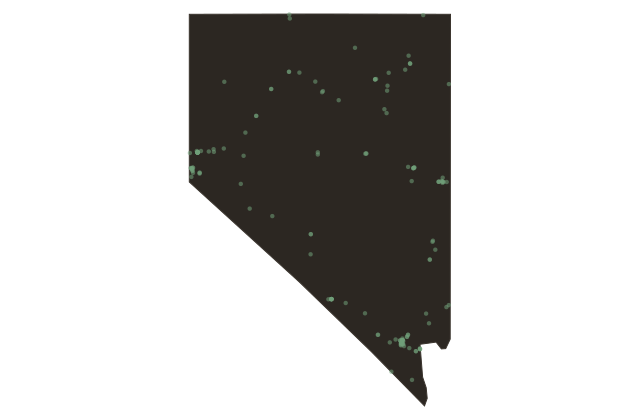
Nevada
The pamphlets from the Atomic Energy Commission were reassuring. They explained that the tests at the Nevada Test Site, sixty-five miles north-northwest of Las Vegas, posed no danger to the communities downwind. The fallout, they said, was within safe limits. Officials from the commission visited towns in southern Utah, southern Nevada, and northern Arizona and told residents the same thing in person. They were not telling the truth.
Between nineteen fifty-one and nineteen sixty-two, the United States government detonated roughly one hundred nuclear weapons above the ground at the Nevada Test Site. The prevailing winds carried the fallout northeast, over the sheep ranches and farming towns of southern Utah, over St. George and Cedar City and smaller communities whose names did not appear in newspapers unless something went wrong. Something went wrong.
In the years after the testing era, physicians in those communities began noticing elevated rates of leukemia. Then thyroid cancer. Then other cancers associated with radiation exposure. Families in St. George, Utah, which sat directly in the primary fallout corridor, began comparing notes on who had died and from what. The pattern was not subtle to the people living it. It was invisible, or at least deniable, to the government agencies that had assured them nothing was wrong.
In nineteen ninety, forty years after the first test and nearly thirty years after above-ground testing ended, the United States Congress passed the Radiation Exposure Compensation Act, formally acknowledging that downwinder communities had been exposed to harmful radiation and that the government's reassurances had been false. The act established compensation for eligible downwinders and for uranium mine workers who had also been exposed without adequate warning.
The documented health consequences of the testing program are part of the public record. The specific toll, the full count of lives shortened by cancers that official pamphlets promised would not come, has never been fully established. The compensation program itself lapsed in July of twenty twenty-four when Congress failed to reauthorize it by the deadline, and was revived in July of twenty twenty-five with expanded eligibility that, for the first time, included downwinders in Utah.
What the National Atomic Testing Museum here in Las Vegas holds are the artifacts of a civic bargain: a city that marketed the tests as entertainment while the communities downwind paid a different price.