Delaware Canal: The Last Towpath in America
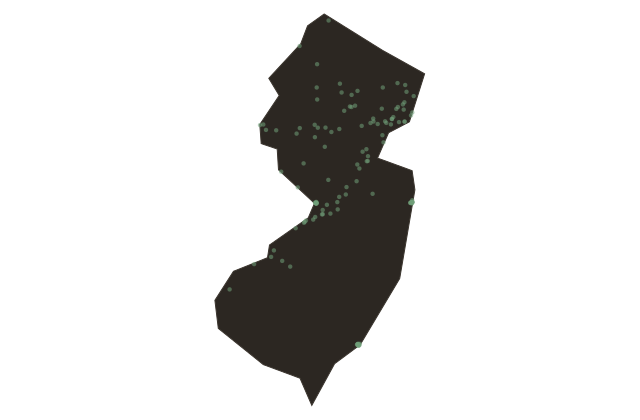
Near Allentown, New Jersey
Running along the Pennsylvania bank of the Delaware River, from Bristol in the south to Easton in the north, is a sixty-mile canal that is unlike any other surviving waterway in the United States. The Delaware Division of the Pennsylvania Canal is the only remaining continuously intact example of the great towpath canal era, the generation of engineering that attempted to knit the American interior to the coast before the railroads made the effort obsolete.
Construction began in eighteen twenty-seven and the canal opened in eighteen thirty-two, built to connect the anthracite coal fields of the upper Lehigh Valley to the markets of Philadelphia and the Eastern Seaboard. The coal came down the Lehigh Canal to Easton, transferred into long, flat-bottomed canal boats on the Delaware Division, and moved south through twenty-three lift locks to Bristol, where it joined tidal water and could reach Philadelphia by river.
A team of mules walked the towpath, a narrow earthen track running beside the canal, pulling the loaded boats at a walking pace. In the most productive years before the Civil War, thousands of mule-drawn boats traveled this route in a single season, each carrying eighty or ninety tons of coal. The rhythmic sound of hooves on packed earth and the low groan of the boat ropes was the ambient music of mid-nineteenth-century commerce in this valley.
The canal also carried lumber, cement, limestone, and agricultural goods, and the small lock towns that grew along its banks developed an intimate economy tied entirely to water transport. Then the railroads arrived, cheaper and faster, and the canal's commerce withered. The last paying canal boat completed the full sixty-mile journey on October seventeenth, nineteen thirty-one.
Today the towpath is a National Recreation Trail and a National Historic Landmark. Walkers and cyclists travel the same compressed-earth path where mule teams once strained against their harnesses, and the canal itself, largely intact, reflects Pennsylvania farmland and woodland unchanged in its essentials from the eighteen forties.