John Roebling's Wire: From Trenton to Brooklyn
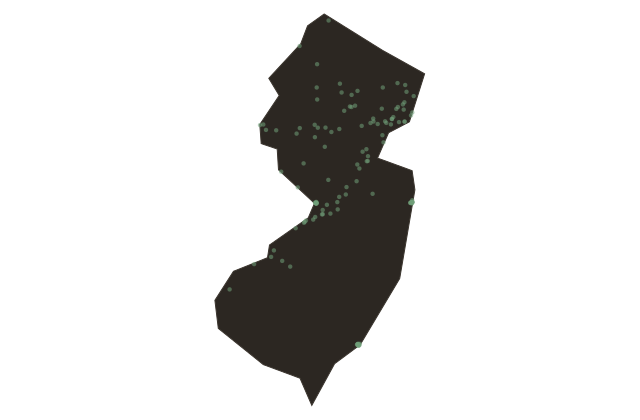
Near Trenton, New Jersey
In eighteen forty-eight, a German-born engineer named John Augustus Roebling moved his wire rope manufacturing operation to Trenton, New Jersey. He chose the city for its rail connections, its river access, and its available labor. What he built there would eventually hold up one of the most famous structures in the world.
Roebling had immigrated from Prussia in eighteen thirty-one and had already spent years experimenting with wire rope, strands of iron wire twisted together into cables far stronger than anything made from hemp. His breakthrough insight was that you could hang a bridge from such cables, distribute enormous loads across hundreds of thousands of individual wires, and build spans of unprecedented length. By the time he relocated to Trenton, he had already built suspension bridges and aqueducts using his own product.
The Trenton complex grew into a substantial industrial operation, employing hundreds of workers who drew wire, twisted strands, and assembled the finished rope that went out to bridges, mines, and factories across the country.
Roebling himself never saw the Brooklyn Bridge completed. He died in July of eighteen sixty-nine, just weeks after his foot was crushed during a survey of the bridge site at the Fulton Ferry slip in Brooklyn. His son Washington took over as chief engineer. When Washington was incapacitated by caisson disease, his wife Emily Warren Roebling effectively ran the project through its final decade.
The cables that hold the Brooklyn Bridge are composed of four main cables, each containing more than five thousand parallel steel wires. The company that made them operated out of Trenton. That is the city's contribution to the structure that redefined what a bridge could be, wire, drawn by hand, in a factory beside the Delaware River.