The Powder Works of Carney's Point
Near Wilmington, New Jersey
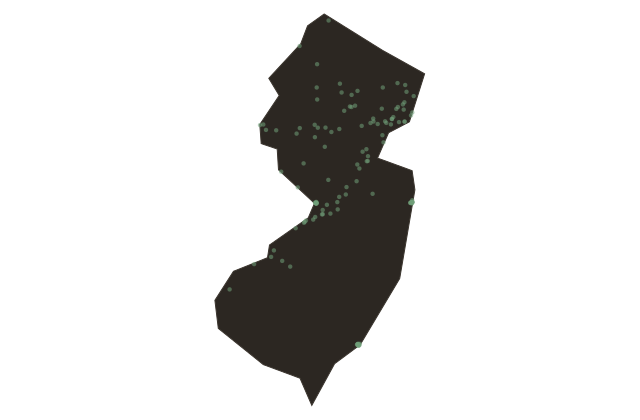
Across the Delaware River from Wilmington, on the flat New Jersey shore, sits one of the most consequential industrial sites in American military history. Carney's Point was home to the largest smokeless powder works in the world, and in nineteen seventeen it was supplying explosives to half of Europe.
E. I. du Pont de Nemours and Company built its powder plant here in eighteen ninety, drawn by the river access, the flat terrain, and the distance from urban centers, a practical consideration when manufacturing something that occasionally exploded. The plant began producing guncotton and smokeless powder in eighteen ninety-two, supplying the United States military and later selling to European buyers.
When World War One erupted in nineteen fourteen, the demand became staggering. Britain and France needed powder by the millions of pounds. DuPont expanded the Carney's Point works to sixty-seven times its prewar capacity. At the peak of production the plant employed twenty-five thousand workers. The surrounding population swelled from two thousand to ten thousand people almost overnight, straining housing, water, and roads.
By the war's end, DuPont's Carney's Point facility had produced seven hundred fifty-eight million pounds of smokeless powder for the Allied forces. That is a number almost too large to visualize. It was enough propellant for an almost incalculable number of artillery rounds, rifles, and naval guns.
The scale of DuPont's contribution made it one of the most profitable corporations on earth by nineteen eighteen and also one of the most controversial. Congressional investigations in the nineteen thirties accused munitions makers of having pushed America toward war for profit. The company denied it. The powder works at Carney's Point, meanwhile, continued operating through World War Two, quietly supplying yet another generation of soldiers.