The Ten Crucial Days, Washington's New Jersey Gamble
New Jersey
On the night of December twenty-fifth, seventeen seventy-six, George Washington stood on the Pennsylvania bank of the Delaware River and watched his army load into Durham boats in the dark and the driving sleet. The men were exhausted and half-starved. The cause looked finished.
Thomas Paine had written only days earlier that these were the times that tried men's souls, and he was not exaggerating. What followed, the ten days from that Christmas crossing through January third, seventeen seventy-seven, changed the Revolution. Washington surprised the Hessian garrison at Trenton the next morning, capturing roughly nine hundred soldiers in a short, sharp fight.
He crossed back, crossed again, won a second engagement at the Assunpink Creek on January second, and then marched overnight around the British flank to defeat a regiment at Princeton the following dawn. The British strategy, which had been to press south and crush the rebellion, reversed to defense almost overnight. But New Jersey's role in the war did not end there.
Washington chose Morristown, tucked into the Watchung Mountains, as his winter headquarters twice, first in seventeen seventy-seven and again in the catastrophic winter of seventeen seventy-nine to eighty, which was colder and harder than Valley Forge and has largely been forgotten by popular history. Soldiers at Jockey Hollow near Morristown endured bitter cold for weeks at a time, with rations that sometimes ran out entirely. The last major engagement in the state came at Monmouth in June of seventeen seventy-eight, when the Continental Army met the British in a day-long battle in sweltering heat.
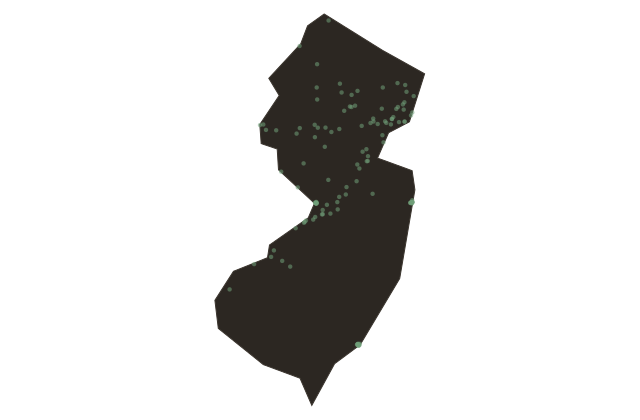
The fight demonstrated something important: after Valley Forge, Washington's troops could hold their ground against regulars. New Jersey was fought over in about a hundred battles and skirmishes across the war years, which is why historians call it the Crossroads of the American Revolution, not as a marketing slogan, but as a geographic fact.