Standing Bear and the Right to Exist Under Law
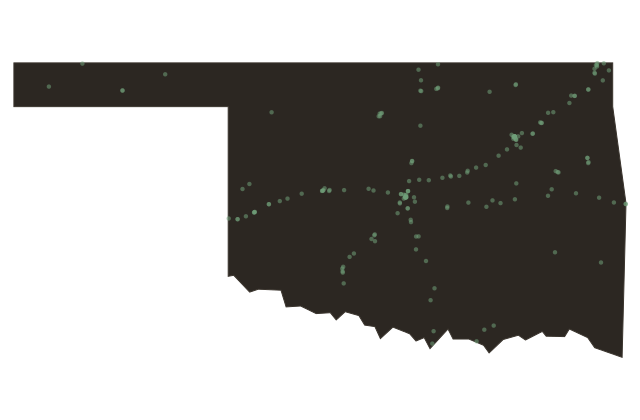
Oklahoma
In the winter of eighteen seventy-eight and eighteen seventy-nine, Standing Bear, a chief of the Ponca Nation, walked three hundred miles through a Kansas winter. He was carrying the bones of his son Bear Shield, who had died in Indian Territory. Standing Bear was trying to bury his son in the Ponca homeland along the Niobrara River in Nebraska, the ground from which the Ponca had been forcibly removed in eighteen seventy-seven.
The United States Army arrested him near the Omaha reservation. The grounds were simple: as an Indian, Standing Bear had no legal right to leave the reservation without government permission.
A federal judge in Omaha named Elmer Dundy agreed to hear a petition for a writ of habeas corpus on Standing Bear's behalf. The arguments were heard in April of eighteen seventy-nine. The ruling came on May twelfth of that year. Judge Dundy's language was plain: an Indian is a person within the meaning of the law of the United States.
It was the first time a federal court had ruled that the writ of habeas corpus applied to an Indigenous person. The ruling did not grant citizenship. It did not grant voting rights. It did not grant land rights. It meant only this: that a person could not be imprisoned without cause on the grounds of their race.
Full citizenship did not come until the Indian Citizenship Act of nineteen twenty-four. Voting rights were denied by some states until the nineteen forties and beyond. The gap between Dundy's ruling and the full exercise of civil rights illuminates the legal architecture through which the United States managed its relationship with Indigenous nations: each acknowledgment of personhood as partial and revocable as the treaties that came before it.
Standing Bear returned to Niobrara, Nebraska, and died there in nineteen oh eight. The park in Ponca City where you are now holds a bronze monument to the journey he made, and the case that changed one narrow thing in American law.