The Green Corn Rebellion
Oklahoma
In the summer of nineteen seventeen, World War One had been going for three years, and the United States had just entered it. The Selective Service Act required registration for the draft. In rural Oklahoma, where tenant farmers, white, Black, and Native American alike, were already watching foreclosures claim land they had barely had time to break, the draft felt like one more thing being taken.
Oklahoma in nineteen seventeen had the strongest Socialist Party infrastructure of any state in the country. In the nineteen fourteen election, the party's candidate for governor had won twenty-one percent of the vote. The tenant farmers who formed the backbone of that movement had organized into the Working Class Union, which saw the war as a rich man's conflict drafted onto poor men's bodies.
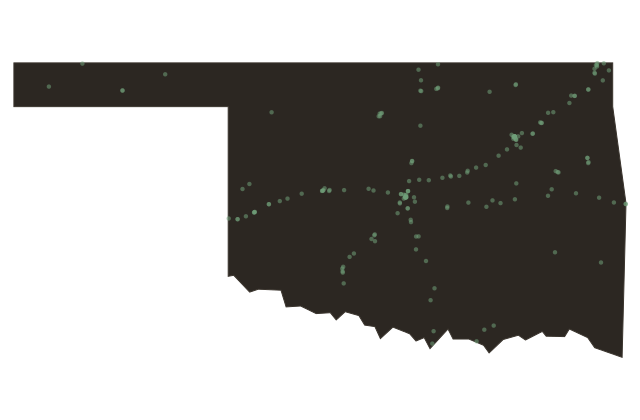
On the nights of August second and third, hundreds of men gathered at a farm near Sasakwa in Seminole County, answering a call put out by the Working Class Union. They were white sharecroppers, Black farmers, Creek and Seminole members, bound together by poverty and opposition to the draft. Their stated plan was to march to Washington, living off barbecued beef and roasted green corn along the way, gathering sympathizers until they had an army large enough to end the war. They called it the Green Corn Rebellion.
The plan was almost immediately betrayed by an informer. Armed posses of townspeople met the marchers. Shots were fired. Three people were killed. Nearly four hundred fifty were arrested. About one hundred fifty were convicted or pleaded guilty, receiving sentences ranging from sixty days to ten years in prison.
The Green Corn Rebellion was easily suppressed, but its consequences outlasted it. The episode became a pretext for federal and state crackdowns on Socialist Party organizers across Oklahoma, and the Working Class Union collapsed. The uprising has been mostly forgotten in the national story of the war. In Oklahoma, it stands as a reminder of how far the gap between tenant farmers and the political order had grown, and how briefly, and disastrously, those farmers tried to close it.