Lewis and Clark at Fort Clatsop: The Winter the Pacific Disappointed Them
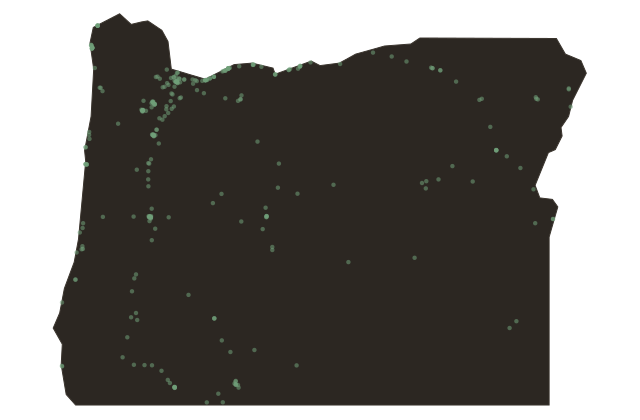
Near Cannon Beach, Oregon
The Corps of Discovery reached the Pacific Ocean in November of eighteen oh five and immediately found it disappointing. The weather was terrible, the campsites flooded, the trading goods were running low, and the Columbia River estuary offered none of the trading ships from Boston or London that Lewis had hoped might be wintering in the harbor. After voting on where to make winter camp, the Corps settled near the south shore of the Columbia and built Fort Clatsop, named for the people who lived near them.
It rained on all but twelve days of that winter. The journals record the misery in detail. Meat spoiled. Fleas infested everything. The men were bored and cold and far from anything they understood as home.
What the journals also record, in detail, is the Corps' relationship with the Clatsop people. The Clatsop traded, provided food, gave geographic information, and corrected the expedition's assumptions about the coast and the river systems to the south. Sacagawea's presence with the Corps was useful throughout the winter as a signal of peaceful intent, but the Clatsop's knowledge of the Pacific coast, the tides, the resources, the distances to the south, was more useful than any single member of the expedition. Jefferson had instructed Lewis and Clark to document everything the coastal nations could tell them.
What Jefferson did not instruct, and what Clark did not write with any prescience, was any account of what those observations would eventually cost the Clatsop. By the time the Corps arrived, epidemic disease introduced by earlier contact with European and American traders had already reduced the Clatsop to a few hundred people, and the decline continued in the decades that followed. The winter Lewis and Clark spent in their territory was the last generation of Clatsop prosperity.