King Philip's War, The World Breaks Apart
Rhode Island
By sixteen seventy-five, the world Roger Williams and Canonicus had built together had come undone. A generation of English settlers had arrived who did not share Williams's conviction that Narragansett land must be purchased rather than seized. The Wampanoag sachem Metacom, whom the English called King Philip, watched his people's territory shrink year by year.
In the summer of sixteen seventy-five, he led an uprising that drew in the Narragansett and most of the other Native nations of New England. What followed was, in proportion to the population of the region, the deadliest war in American history. Half the English towns in New England were attacked.
Twelve were completely destroyed. One in ten English colonists of fighting age was killed. The losses among the Native nations were even more catastrophic.
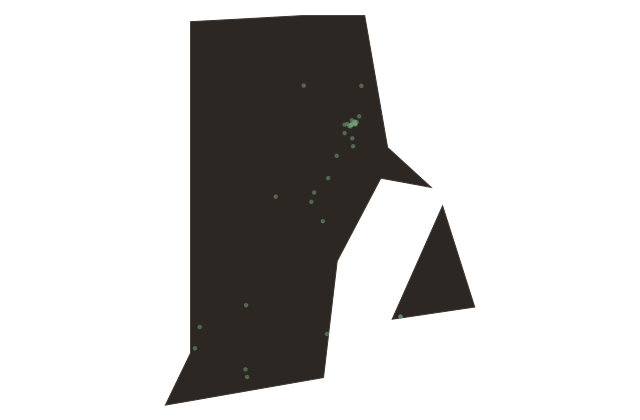
On December nineteenth, sixteen seventy-five, a colonial force of about one thousand men marched into a frozen swamp in what is now South Kingston and attacked the main Narragansett winter encampment. The Narragansett had not yet formally joined the war. They had sought to remain neutral.
The colonial commanders attacked anyway, without warning, burning the fortified village with people still inside it. Historians estimate that somewhere between three hundred and six hundred Narragansett were killed, the majority women, children, and the elderly. The event is called the Great Swamp Fight in colonial records and the Great Swamp Massacre in Narragansett memory.
The distinction is worth sitting with. The attack did not end the war. It inflamed it.
The Narragansett, who had not yet been enemies, became enemies the day of the assault. King Philip's War ended the following August with Metacom's death and the near-total destruction of the Narragansett Confederacy. Survivors were sold into slavery in the Caribbean.
The world that had existed before Roger Williams arrived was gone. A monument stands at the Great Swamp site in South Kingston today. It marks what happened there.
Both sides placed markers. They say different things.