The People of the Great Bay
Near Providence, Rhode Island
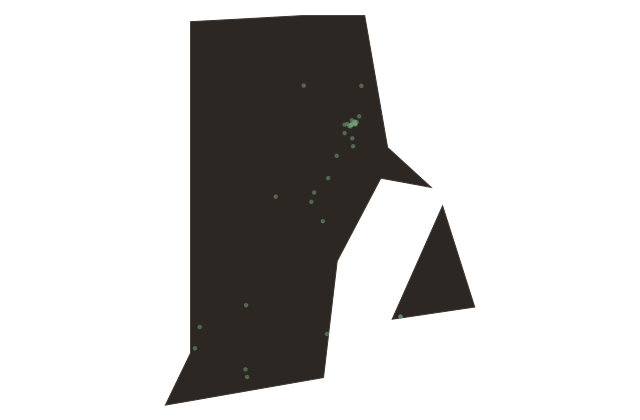
Before the English arrived, the people of this bay numbered in the tens of thousands. The Narragansett held a territory stretching from the Providence River southwest to the Pawcatuck, from the coast inland through dense forest. They were among the most powerful nations in southern New England, and when Roger Williams came to them in sixteen thirty-six, their sachems Canonicus and Miantonomi received him with enough goodwill to sell him land rather than expel him.
Williams learned the Narragansett language carefully enough to document it in a sixteen forty-three work called A Key into the Language of America, a dictionary and cultural observation that remains one of the most unusual documents from early colonial New England. For a time, that relationship held.
King Philip's War ended it. In December of sixteen seventy-five, colonial forces attacked the Narragansett winter encampment at what is now South Kingstown in what became known as the Great Swamp Fight. Hundreds of Narragansett non-combatants died in the assault and the burning of the fort. Most warriors escaped, and in March of sixteen seventy-six, Narragansett fighters burned Providence to the ground, including Roger Williams's own house. Williams, then in his seventies, reportedly walked out to speak with the war leader. The conversation did not save the town.
After the war, surviving Narragansett people were sold into slavery or forced into indentured servitude across Rhode Island. The tribal nation was not federally recognized again until nineteen eighty-three. Today the Narragansett Indian Tribe maintains an eighteen-hundred-acre reservation in Charlestown, Rhode Island, with approximately four thousand enrolled members.