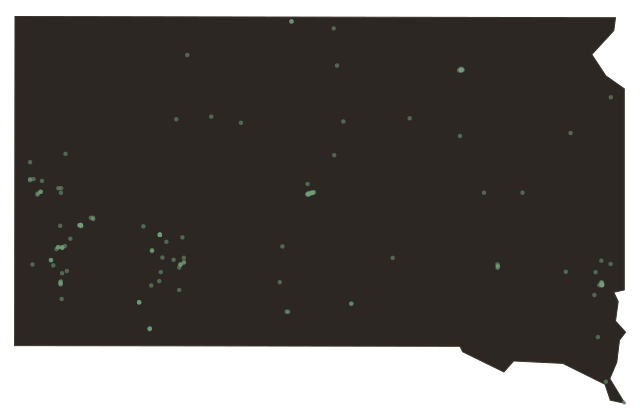
The Great Sioux Reservation and the Land That Was Opened
Near Wall, South Dakota
Before the homesteaders arrived and before the railroad established its water stop at Wall, the land that surrounds this town was part of the Great Sioux Reservation, a territory established by the Fort Laramie Treaty of eighteen sixty-eight. That treaty gave the Sioux Nation all of present-day South Dakota west of the Missouri River, a vast territory of perhaps twenty-five million acres. The reservation was intended to define and protect the Sioux homeland.
The treaty guaranteed the right to hunt on additional lands to the north as long as sufficient game remained, which at the time meant most of the northern plains. The reservation survived for twenty years. As the cattle industry pushed north from Texas and the railroads reached into the region, pressure to open the reservation to white settlement became intense.
In eighteen eighty-nine, federal agents persuaded enough Sioux leaders to sign an agreement that broke the Great Sioux Reservation into five smaller reservations and opened millions of acres of the former territory to homestead settlement. The circumstances of the signing are disputed in the historical record. Many Sioux leaders refused to sign at all.
Federal negotiators were later accused of using pressure and misrepresentation to obtain enough signatures. The land immediately around Wall, the high plains that homesteaders plowed in the teens and abandoned in the thirties, had been Sioux hunting territory just one generation before. The bison that once grazed it were gone by the time the homesteaders arrived, killed in the same decade the reservation was broken.