Dartmouth College: The Promise and the Betrayal
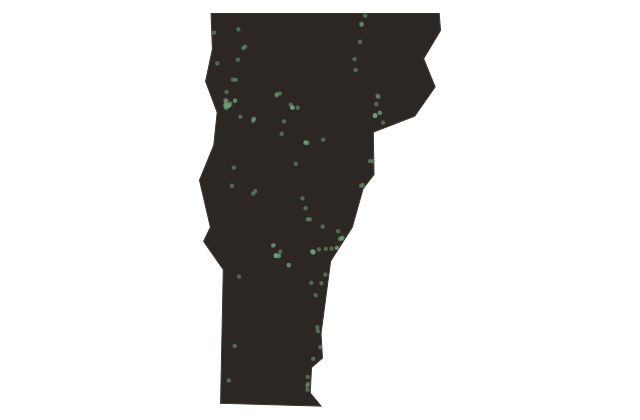
Near Woodstock, Vermont
The college sitting on this New Hampshire hilltop was born from a broken promise, and that tension has defined it ever since.
In the seventeen fifties, a Congregational minister named Eleazar Wheelock opened Moor's Charity School in Connecticut, dedicated to educating young Native American men as missionaries. His most celebrated student was Samson Occom, a Mohegan who became a brilliant preacher and fundraiser. In the mid seventeen sixties, Wheelock sent Occom to Britain on a two-year tour. Occom preached to packed halls across England and Scotland, raising twelve thousand pounds, worth roughly two and a half million dollars today. The Earl of Dartmouth had been a key donor and trustee for Wheelock's earlier Connecticut school, and Wheelock named the new college after him hoping it would secure his support. The Earl declined to fund it.
But when Occom returned from Britain, he found that Wheelock had used the money not to serve Native students in Connecticut but to establish a new college on a royal land grant in New Hampshire. Royal Governor John Wentworth signed the charter on behalf of King George the Third on December thirteenth, seventeen sixty-nine. Dartmouth College was born. Occom was furious. He wrote that all the money had done was make the doctor's family, meaning Wheelock's, quote, very grand in the World. The college's charter proclaimed it was for the education of youth of the Indian Tribes, but within a generation, Native students were nearly gone from the rolls.
Dartmouth became the ninth-oldest college in the United States and the only Ivy League school in New England outside of Massachusetts. Its remote location shaped a particular character: students who thrived on winters of minus twenty degrees and backcountry independence. Daniel Webster graduated here in eighteen hundred one and later argued Dartmouth's landmark Supreme Court case, establishing that private colleges could not be taken over by state governments.
In the nineteen seventies, Dartmouth fulfilled some of what Occom had envisioned, becoming one of the first Ivy League schools to actively recruit Native American students and eventually establishing a Native American Studies program. Samson Occom's papers are now being repatriated to the Mohegan Tribe. The story of who built this institution, and who was left out, is still being reckoned with.