The Underground Railroad and the Vermont Corridor
Vermont
Vermont's anti-slavery constitution, ratified in seventeen seventy-seven, made the state something unusual on the American map: a legal refuge. Enslaved people who reached Vermont could claim freedom under state law, before any other state banned slavery.
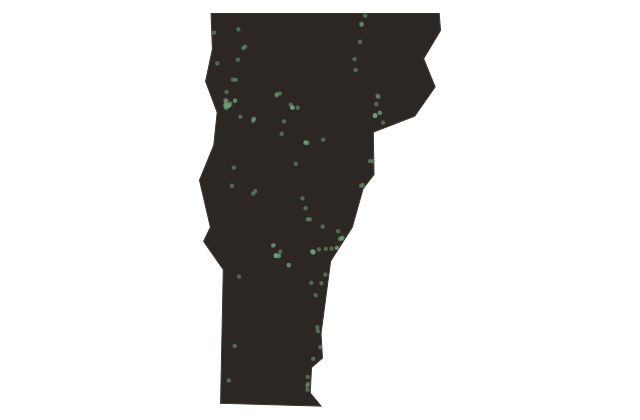
That legal reality shaped Vermont's role in the Underground Railroad. The northern routes through Vermont toward Canada were active from the seventeen nineties through the Civil War. The Green Mountains offered both a geographic corridor and a population, Quakers, Congregationalists, and outright abolitionists, that provided shelter and logistical support to freedom seekers moving north.
Rokeby Museum in Ferrisburgh is one of the best documented Underground Railroad sites in the country. The farm was owned by Rowland Thomas Robinson, a Quaker and committed abolitionist, and his family documented their assistance to freedom seekers more fully than almost anyone else in the network. Their letters and journals survive and give the Railroad its clearest available historical record in New England. The Robinsons did not use euphemisms. They knew what they were doing was illegal under federal law and said so plainly.
Vermont had vocal abolitionists in high places. William Lloyd Garrison, though not from Vermont, found some of his most committed financial supporters in the state. Thaddeus Stevens was born in Danville, Vermont, in seventeen ninety-two, and brought a Caledonia County farm boy's uncompromising contempt for slavery to the Pennsylvania legislature and then to Congress. Stevens was among the most radical of the Radical Republicans who pushed for a Reconstruction that would have genuinely redistributed land and power in the South. He died in eighteen sixty-eight, before Reconstruction was undone.
Vermont sent a higher proportion of its eligible men into the Union Army than almost any other state. It also sent some of the most effective abolitionists in the political class. The constitution of seventeen seventy-seven had planted something, and it took a long time to grow, but the tree it grew into was real.