Battle of Cedar Creek
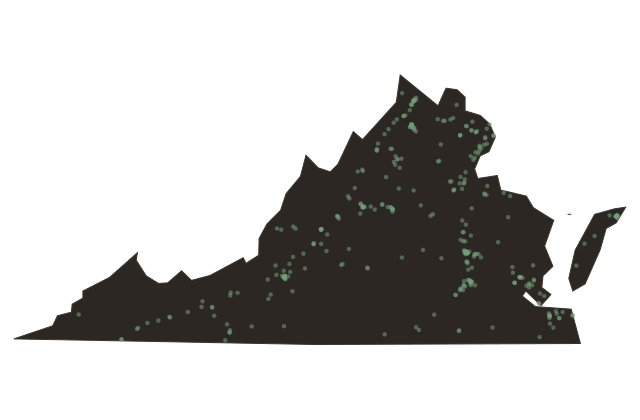
Near Front Royal, Virginia
On the morning of October nineteenth, eighteen sixty-four, the Shenandoah Valley nearly slipped out of Union hands. Confederate General Jubal Early had been outmatched all autumn, losing at Third Winchester and Fisher's Hill in quick succession. His army was outnumbered by a large margin. But Early had one card left: surprise.
The night before the battle, Major General John Gordon led his Confederate division on a night march along the base of Massanutten Mountain and the North Fork of the Shenandoah. Before dawn, his men ghosted through the morning fog along Cedar Creek. At first light they hit three Union corps still in their blankets. Within hours they had routed General George Crook's entire corps, taken hundreds of prisoners, and driven the Federal army north in chaos. Jubal Early reportedly surveyed the captured Union camps and believed the battle was won.
It was not. Union General Philip Sheridan had spent the night in Winchester, twelve miles north, returning from a conference in Washington. He woke to the distant thunder of artillery and spurred his horse southward. The sight of his men streaming away from the front in retreat shook him. He turned his horse sideways in the road, pointed back toward the sound of guns, and shouted for his soldiers to come back and fight. They did.
By mid-afternoon Sheridan had reorganized his shattered corps and launched a counterattack that overwhelmed Early's exhausted men. The Confederate force collapsed and never recovered as a fighting unit. The Shenandoah Valley would burn under Sheridan's scorched-earth campaign, and with it went the Confederacy's last hope of starving the Union war machine through Virginia's breadbasket.
The battle entered American popular culture almost immediately. Poet Thomas Buchanan Read dashed off a poem called "Sheridan's Ride" in a single hour, describing the general galloping south on his black horse Winchester. The poem was read aloud at Republican rallies and reprinted on the front page of the New York Tribune on Election Day eighteen sixty-four. Historians credit it with boosting Abraham Lincoln's margin of victory. Sheridan liked the poem so much he renamed his horse Winchester in its honor.