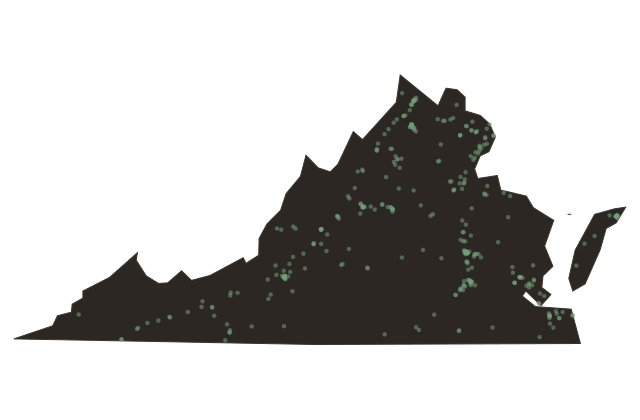
Green Leaf and Iron Chain, Tobacco and the Plantation Economy
Virginia
For nearly three centuries, tobacco was Virginia. It was the currency colonists used to pay taxes, the commodity they shipped to London in tens of millions of pounds per year, the obsession that drove planters to clear every acre of Tidewater forest they could reach. By the seventeen hundreds, great estates lined the James and the Potomac, their deep-water landings designed so that ocean-going vessels could dock and load hogsheads of cured leaf directly onto the ship.
The system required enormous labor, and after the mid-sixteen hundreds that labor was predominantly enslaved. Virginia's slave codes, enacted between sixteen sixty and seventeen five, constructed a legal architecture that made bondage hereditary and permanent, tying a person's status not to a contract but to the fact of birth. By seventeen fifty the colony held more than one hundred thousand enslaved people. By eighteen sixty, on the eve of the Civil War, Virginia's enslaved population stood at nearly half a million, the largest of any state.
Tobacco exhausted soil quickly. Planters responded by moving west, into the Piedmont and down through the Carolinas, always seeking fresh ground. When Tidewater land gave out, many planters shifted to wheat, and when the domestic market for enslaved labor weakened, Virginia became the leading supplier of enslaved people to the Deep South, selling men, women, and children downriver and overland in numbers historians now estimate at three hundred thousand between eighteen hundred and eighteen sixty. The phrase 'sold down the river' entered the language from this trade.
This is the economic foundation beneath every grand colonial house and every pastoral landscape in Virginia. The beauty and the brutality were inseparable.