Tsenacommacah, The World Before Jamestown
Virginia
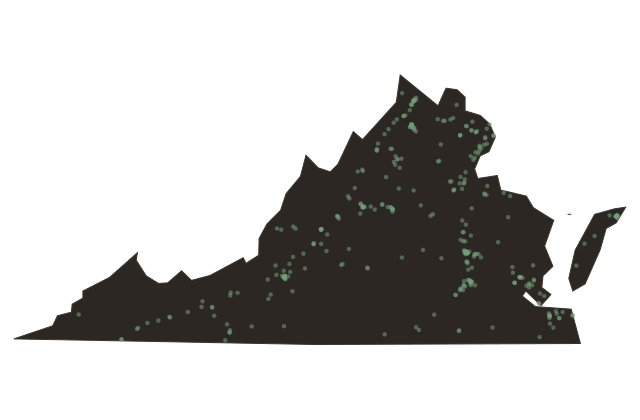
Long before any English sailor caught sight of the Virginia capes, this land had a name. The Algonquian-speaking people who lived here called it Tsenacommacah, meaning something close to 'densely inhabited land.' That name was accurate. By the time the first European ships appeared offshore in the fifteen hundreds, somewhere between fourteen thousand and twenty-one thousand people lived in the Tidewater alone, organized into chiefdoms that paid tribute to one paramount authority.
His name was Wahunsenacah, though the English would record him as Powhatan, borrowing the name of his home village. By sixteen oh seven he presided over a confederacy of roughly thirty tribal nations stretching from the Potomac River south toward the Carolinas and from the Bay west to the fall line. The Pamunkey, the Mattaponi, the Chickahominy, the Nansemond: each was a distinct people with its own leadership, yet all paid tribute in corn, deerskins, and copper to Wahunsenacah at his capital along the York River.
This was a sophisticated political world, not a wilderness. Villages managed seasonal harvests, maintained trade networks that reached the Great Lakes, and had been living alongside the resources of the Bay and its rivers for at least twelve thousand years. When the English arrived at Jamestown in May of sixteen oh seven, they entered a world that was already fully occupied, already politically organized, already watching them closely.
The Mattaponi and Pamunkey tribes still hold small reservations in Virginia today, among the oldest reservations in the United States, held since the colonial era. Their presence is the living thread connecting that world of Tsenacommacah to the present.