Blair Mountain, The Army vs. the Miners
West Virginia
In late August of nineteen twenty-one, somewhere between ten thousand and fifteen thousand armed coal miners gathered on the banks of the Kanawha River south of Charleston and began to march. Their destination was Logan County, ninety miles south, where the sheriff had built a private army of deputies and guards to keep the United Mine Workers out and the company towns locked down. The miners called him a tyrant. The operators called him a necessary expense.
The march was the culmination of more than a year of violence and eviction in the southern coalfields. It was also, by any measure, the largest armed insurrection on American soil since the Civil War. The miners carried rifles, shotguns, and side arms. Some wore their World War One uniforms. A few had machine guns. They sang union songs and called themselves the Red Neck Army, wearing red bandanas at their throats as insignia, a symbol that survives today in the word redneck.
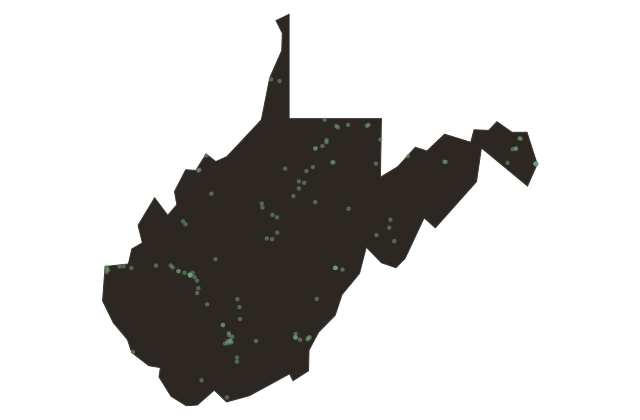
At Blair Mountain, a ridge in Logan County, they met a defensive line of guards and deputies who had been waiting for them. The battle that followed lasted several days in late August and early September. Estimates of the dead range widely and the records are incomplete, as historians have noted. What stopped the fighting was not a negotiated peace but the arrival of federal troops and Army Air Service planes sent by President Warren Harding.
Nearly one thousand miners were indicted for treason and murder. Most charges were eventually dropped. The union's power in southern West Virginia was crushed for another decade, until the New Deal changed the rules of the contest.