Guyandotte: The Ohio River Town That Chose the Wrong Side
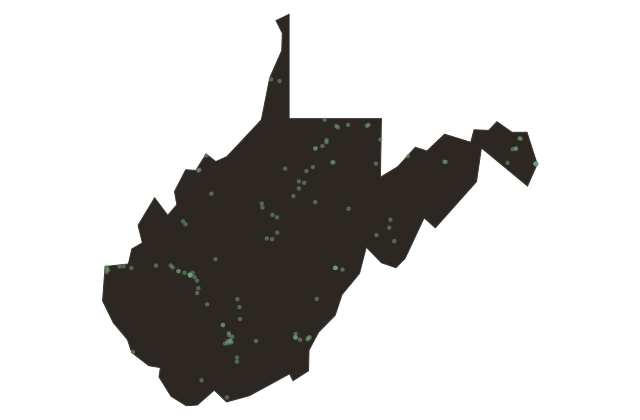
West Virginia
The neighborhood of Guyandotte sits at the western edge of Huntington, where the Guyandotte River meets the Ohio. In eighteen sixty-one it was a prosperous river village, and it was reputed to be the only town along the entire Ohio River corridor that openly supported secession. That distinction would cost it dearly.
On November tenth, eighteen sixty-one, a Confederate cavalry force of more than seven hundred men under Colonels John Clarkson and Albert Jenkins swept into Guyandotte. They struck a small garrison of Union recruits, capturing ninety-eight soldiers and supporters. At least ten Union men were killed and twenty wounded in the fighting that followed. Some of the pro-Confederate townspeople fired on Union troops from the windows and porches of their own homes.
The Confederate column withdrew that evening, but Union retribution arrived the following morning. Troops of the Fifth West Virginia Infantry and Ohio Home Guards steamed downriver on the steamboat Boston, landed, and proceeded to burn much of the town. By nightfall on November eleventh, two-thirds of Guyandotte had been reduced to ash, including homes, businesses, and churches. The destruction was explicitly framed as punishment for the town's secessionist sympathies and for the role its residents had played in the fighting.
The event left scars that lasted decades. Guyandotte rebuilt slowly. It remained a separate incorporated town well into the twentieth century and was eventually absorbed into the expanding city of Huntington, which was established in eighteen seventy-one by Collis P. Huntington as the western terminus of the Chesapeake and Ohio Railroad.
Today Guyandotte is one of Huntington's oldest neighborhoods. Its streets still carry the layout of the antebellum river town. Each November a Civil War Days reenactment draws visitors to remember the raid, the burning, and the strange fate of a town that gambled on the Confederacy and watched its gamble turn to smoke.