Harpers Ferry, John Brown's Last Gamble
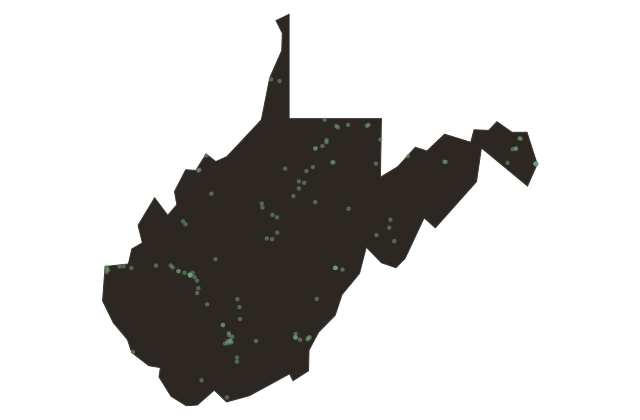
West Virginia
On the night of October sixteenth, eighteen fifty-nine, a fifty-nine-year-old man named John Brown led twenty-two raiders across the covered bridge at Harpers Ferry in a fog off the Potomac River. He had spent years planning this moment. His goal was not a raid exactly but a revolution: seize the federal arsenal at Harpers Ferry, arm the enslaved people of Virginia, and spark a general uprising across the South. He had the weapons. He had the men. What he did not have was what he had always assumed would follow: a mass of enslaved people ready to rise with him.
Within thirty-six hours, Brown and his surviving raiders were barricaded inside the armory engine house, surrounded by local militia, a company of Virginia militia, and a force of United States Marines commanded by Colonel Robert E. Lee. Ten of Brown's men were killed, including two of his sons. Brown himself was wounded and taken prisoner. He was tried for treason against Virginia in nearby Charles Town, convicted in six days, and hanged on December second, eighteen fifty-nine.
The execution turned him into a martyr faster than any living speech could have. Frederick Douglass had warned him the plan would fail. Harriet Tubman, who had hoped to join him, fell ill before she could. But the fear Brown ignited in the South and the grief he awakened in the North accelerated the fracture that was already forming. Less than a year and a half later, the Civil War began. Many of the men who would soon command Union armies marched south from the same arsenal Brown had tried to seize.