Mother Jones and the Mine Wars, The Old Woman Who Never Surrendered
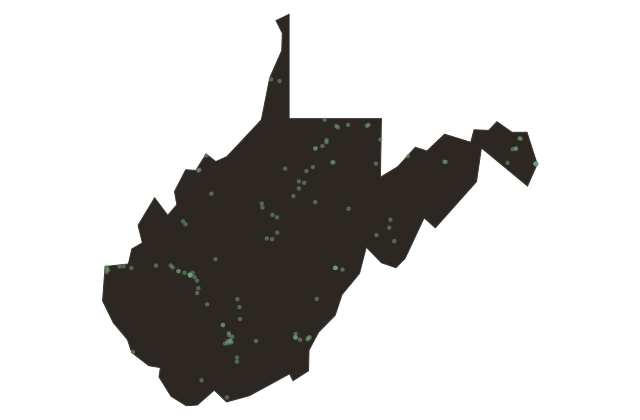
West Virginia
She was well into her seventies, at least, when she came to the Paint Creek and Cabin Creek coalfields to organize, and the operators were frightened of her. Her name was Mary Harris Jones. Everyone called her Mother Jones. She had been born in Ireland, lost her family to yellow fever in Memphis, lost her dress shop to the Chicago fire of eighteen seventy-one, and had been agitating for the rights of working people ever since. By the time she arrived in the Paint Creek and Cabin Creek hollows of Kanawha County in nineteen twelve, she had already been expelled from more states than most labor organizers had ever visited.
The Paint Creek and Cabin Creek strike of nineteen twelve and thirteen was, before Blair Mountain, among the most violent chapters in West Virginia's labor history. Miners walked off the job seeking union recognition and a wage increase. The operators imported armed guards and housed them in armored trains that rolled the creek lines firing into tent colonies where the miners and their families lived. The governor declared martial law. Mother Jones was arrested and tried before a military tribunal, which had no legal authority over a civilian, a fact she argued loudly and in public for months.
She was released after her smuggled message to a senator prompted a Senate investigation. She went back to organizing.
Mother Jones claimed to be a hundred when she died, though records put her closer to ninety-three. The precise year of her birth is debated by historians, as she was not above adjusting it when it suited her purposes. She died in nineteen thirty. Her last public statement, delivered at a party in her honor, was characteristic: she told the guests to pray for the dead and fight like hell for the living.