The Company Town, Coal, Control, and Scrip
West Virginia
In the last decades of the nineteenth century, coal companies did something that looks, from a distance, almost like city-building. They scooped out the heads of remote mountain hollows, laid down rail spurs, threw up rows of frame houses, and filled them with miners. They built the churches and the schools and the stores. They owned everything.
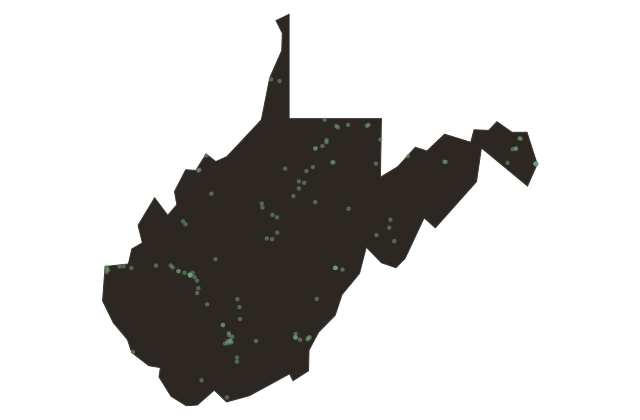
The system was called the company town, and at its height, dozens of them dotted the coalfields of southern West Virginia. Towns with names like Coalwood, Holden, Kayford, and Crichton. A man who came to work in one of those towns would receive not wages but scrip, a company-issued currency accepted only at the company store. If he needed credit against his next paycheck, the company provided it, and the debt followed him from pay period to pay period. Housing was deducted. Coal for the heating stove was deducted. Tools used underground were sometimes deducted. The company owned the ground beneath his feet in every sense.
The towns were not universally brutal. Some companies invested in decent housing and clean water because they wanted a stable workforce. But the architecture of control was built into the system itself. A miner who organized, who spoke publicly about wages or safety, could find himself and his family evicted within days, their furniture on the road, their names flagged to every other operator in the county.
Scholars who study the era describe it as a form of industrial feudalism. The miners who lived inside it often used harder words. What it produced, eventually, was one of the most sustained labor conflicts in American history.