The Mountain State, Appalachian Identity and the World's Eye
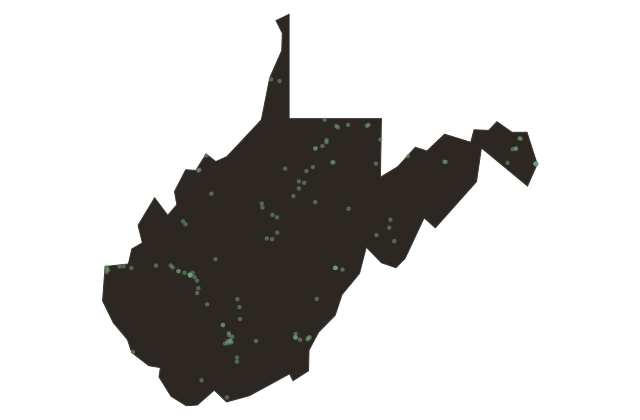
West Virginia
West Virginia's state motto is Montani Semper Liberi. Mountaineers are always free. It was adopted at statehood in eighteen sixty-three, the middle of the Civil War, by a people who had just chosen the mountains over the lowland planter class that had tried to speak for them. There is a pride in those words that West Virginians have been arguing about and claiming ever since.
The image of Appalachia from outside has never been flattering. Since at least the eighteen eighties, when journalists from New York and Boston first made the journey into the mountain counties, writers have described these communities as isolated, impoverished, and somehow left behind. The word hillbilly, which Appalachian scholars trace to the popular press of the late nineteenth century, became a shorthand for a whole set of assumptions about the people here that bore only a loose relationship to the actual texture of the communities.
What those early journalists missed, and what scholars of the region have spent decades recovering, is how much of the poverty they observed was the direct result of the extraction economy, not some cultural deficiency. The same mountains that looked picturesque from a train window were being systematically stripped of their timber and their coal by companies whose owners would never live here.
West Virginia has been losing population for most of the past half century. The young leave for jobs that do not exist here. The ones who stay often do so out of a connection to the landscape, the family, the specific weight of a place that knows its own history. Montani Semper Liberi. Whether the freedom is enough has been the central question of this state since the day it was born.