Kewaskum: The Chief Who Kept the Peace
Wisconsin
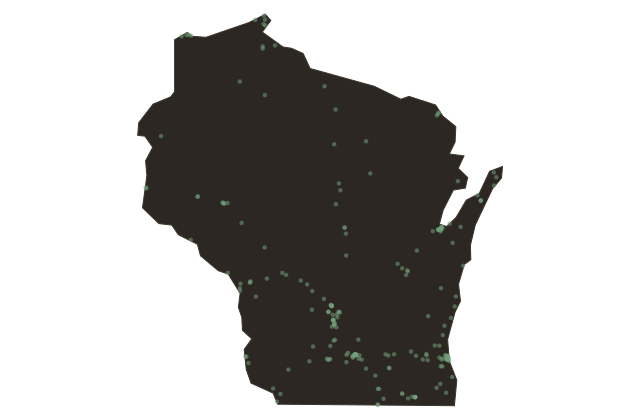
The village of Kewaskum sits along a horseshoe bend in the Milwaukee River in Washington County, Wisconsin, and it carries the name of a Potawatomi chief who is remembered for something rare in the history of frontier settlement: he was friendly.
The Potawatomi had been in this region of the upper Midwest for generations, living in villages near the rivers and lakes of what is now southeastern Wisconsin. Chief Kewaskum led one of the local bands and maintained a camp at Pike Lake during the eighteen forties, when the first wave of white settlers began arriving from New England, New York, and Pennsylvania. The Barnes family, among the earliest of those settlers, reached the area in eighteen forty-four. Over the next five years, most of the available land in the valley was claimed from the federal government.
When the settlers partitioned their new township, they named it Kewaskum in honor of the chief who had welcomed rather than resisted them. It was a gesture of respect, or perhaps of gratitude, extended at a moment when the Potawatomi themselves were being pushed out of Wisconsin entirely. Federal removal policies, set in motion by the treaty of eighteen thirty-three, had scattered most Potawatomi communities westward, leaving their namesake communities behind.
The village sits today at the edge of the Kettle Moraine State Forest, that extraordinary glacial landscape of ridges, kettles, and drumlins left behind when the last ice age ended. The Milwaukee River bends here with the same casual authority it has always had. German immigrants came later in the nineteenth century, adding churches and craftsmen's shops to the Yankee frame the earliest settlers built.
Kewaskum the village outlasted Kewaskum the chief, which is the oldest story in American place-naming.