Daniel Inouye and the 442nd
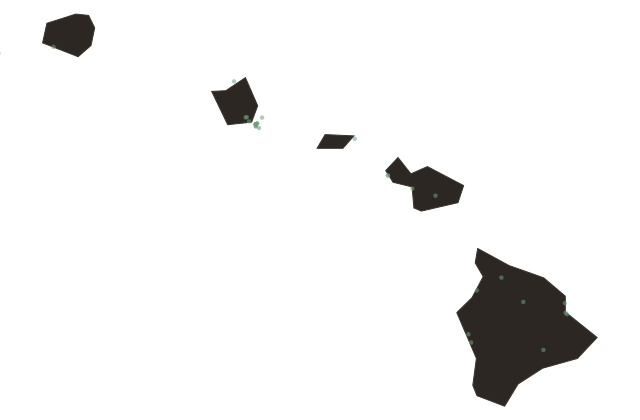
Hawaii
In the spring of nineteen forty-two, the United States Army was simultaneously interning one hundred twenty thousand people of Japanese ancestry on the mainland and accepting volunteers of Japanese ancestry from Hawaii. The two policies existed at the same time, applied to the same population, and no one in Washington offered a public accounting of the contradiction.
The men who volunteered from Hawaii to serve were mostly Nisei, the second generation, American citizens born to Japanese immigrant parents. Many of their families were under martial law surveillance on the islands. Their parents had been stripped of fishing licenses, some had been arrested. They volunteered anyway, in numbers that eventually made the four hundred forty-second Regimental Combat Team the most decorated unit of its size in the history of the United States military. The unit received twenty-one Medals of Honor, twenty-nine Distinguished Service Crosses, five hundred sixty Silver Stars, and more than nine thousand Purple Hearts.
Daniel Inouye was born in Honolulu in nineteen twenty-four. He volunteered at the age of eighteen, shortly after Pearl Harbor. On April twenty-first, nineteen forty-five, near San Terenzo, Italy, his platoon was pinned down by three German machine-gun emplacements on a hillside. He knocked out two of the positions before a rifle grenade shattered his right arm. He reached across with his left hand, pried the grenade from the fingers of his right, threw it into the third position, and kept fighting. He was twenty years old. Surgeons amputated the arm that night.
Inouye was elected to the United States Senate from Hawaii in nineteen sixty-two, as part of the first class of senators from the new state. He served until his death in twenty twelve, fifty years in the Senate. He never stopped calling himself a Nisei first, an American second, and a Democrat third. The contradiction he had volunteered to serve despite he never fully resolved, and he never pretended otherwise.