The Boise Basin Gold Rush: The Largest Strike Since California
Near Boise, Idaho
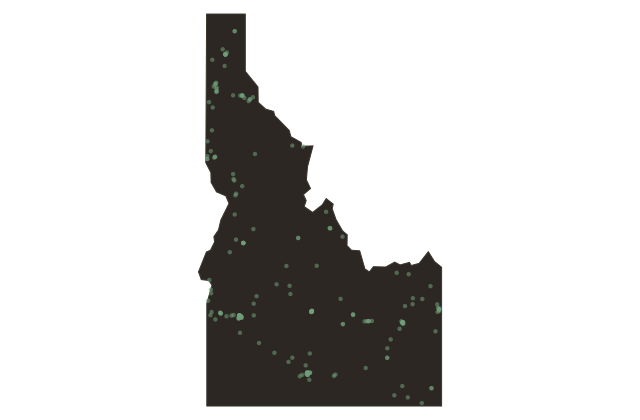
If you were to follow the Boise River northeast into the mountains, you'd reach the basin where one of the biggest gold rushes in American history ignited on a single August morning in eighteen sixty-two.
George Grimes and Moses Splawn were leading a small party of prospectors when they panned their first color from a creek on August second. Within days, word had spread down the river and into the Oregon Trail camps. By December, thousands of miners were pushing into mountain valleys barely mapped on any chart. Towns appeared overnight: Placerville, Centerville, Pioneerville, and Idaho City, which would briefly become the largest city in the entire Pacific Northwest.
The scale of what happened here was staggering. More than two million eight hundred thousand ounces of gold came out of the Boise Basin between eighteen sixty-three and nineteen fifty-nine. To put that in context, it dwarfed every western gold rush except California's. In its peak years, a miner could pull eight to sixteen dollars from a creek bed in a single day, and the exceptional claims yielded a hundred dollars or more. At the time, a laborer back east earned a dollar a day.
What gold did for Boise specifically was make it necessary. The basin's boom towns needed supply lines, government, courts, and a place to bank their dust. Boise, sitting at the foot of the mountains on an established trail junction, became that hub. Merchants, lawyers, freighters, and bankers set up shop within weeks of the fort's founding.
By eighteen sixty-four, the territorial legislature had convened in Boise, and the city had its first newspaper. The Boise Basin's gold didn't last forever, the easy placer claims played out within a few years, but the infrastructure it forced into existence did.