Cotton, Steam, and Enslaved Labor on the Red River
Near Shreveport, Louisiana
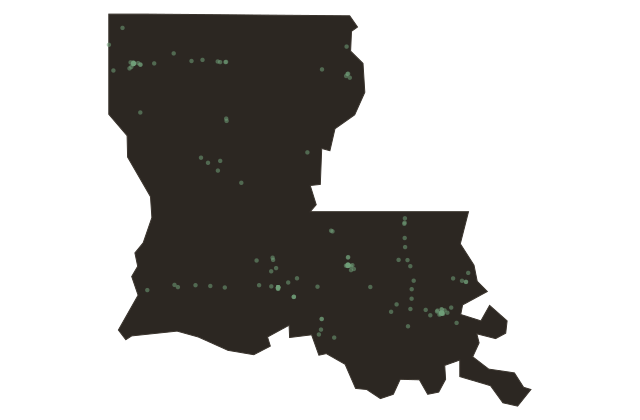
Once the Red River was open, Shreveport became what its founders had calculated it would become: a transfer point. Cotton moved through here in enormous quantities. The plantations of Caddo Parish grew it, enslaved people harvested it, and steamboats carried it down to New Orleans and on to the mills of England and New England.
By eighteen sixty, the city contained two thousand two hundred free residents and thirteen hundred enslaved people within its limits alone. Thousands more labored on surrounding plantations whose crops flowed through Shreveport's wharves. The city had a slave market, though slave trading was not as concentrated here as in markets like New Orleans or Natchez.
What Shreveport provided was logistics. Stevedores, almost all of them enslaved, loaded and unloaded cargo at the river landing in a rhythm that repeated itself with each new steamboat arrival. The cotton economy was the city's reason for being, and it rested entirely on compelled labor.
When the Civil War came, Shreveport briefly became Louisiana's state capital as Union forces captured Baton Rouge in eighteen sixty-two and then Opelousas in eighteen sixty-three. The city also served as headquarters for the Confederate Trans-Mississippi Department under General Edmund Kirby Smith, commanding a territory so vast and so isolated from Richmond that it became known, sometimes bitterly and sometimes admiringly, as Kirby Smithdom. Smith negotiated directly with foreign nations.
He raised his own finances. He was, in effect, running a separate war. The Trans-Mississippi Department did not surrender until May twenty-sixth, eighteen sixty-five, six weeks after Appomattox.
Shreveport was the last Confederate capital east of the Rockies to fall.