Sam Cooke in Shreveport, and a Song That Followed
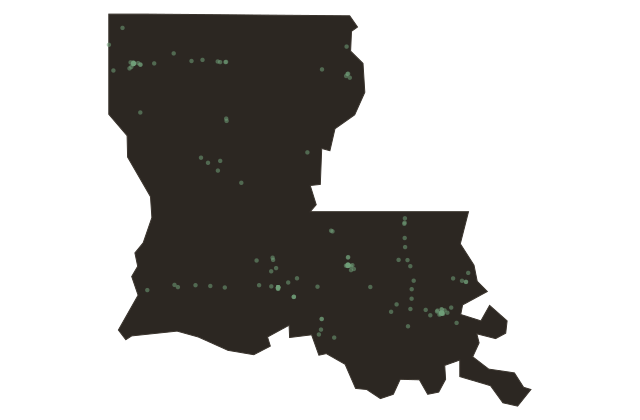
Near Shreveport, Louisiana
On October eighth, nineteen sixty-three, Sam Cooke arrived in Shreveport for a concert. He was at that point one of the most successful recording artists in America, a man who had crossed from gospel to pop with a smoothness that seemed to defy the era's categories. He and his entourage attempted to register at a Holiday Inn.
The desk clerk told them there were no vacancies. Cooke was certain there were. He demanded to see management.
The group was told they could not stay. When they sought other lodging, police arrested them for disturbing the peace. The New York Times covered the incident the next morning under the headline: Negro Band Leader Held in Shreveport.
Cooke had grown up in the South. He knew what segregation looked like. But the directness of what happened in Shreveport, the casual certainty with which a major American hotel could refuse a famous Black man and then have him arrested for objecting, apparently landed differently than he expected.
He had been hearing Bob Dylan's Blowin in the Wind that year and felt a kind of embarrassment that Dylan, a young white man from Minnesota, had written the decade's most urgent civil rights song while Cooke, a Black man who had lived the subject, had not. He recorded A Change Is Gonna Come on January thirtieth, nineteen sixty-four, at RCA Studios in Hollywood. The orchestral arrangement was composed by Rene Hall, who approached it like a film score.
It was released as a single on December twenty-second, nineteen sixty-four, eleven days after Cooke was killed in Los Angeles under circumstances that have been disputed ever since. Rolling Stone later ranked it third on its list of the five hundred greatest songs ever recorded.