The Ishak: Before the Bayou Was Ours
Near Lafayette, Louisiana
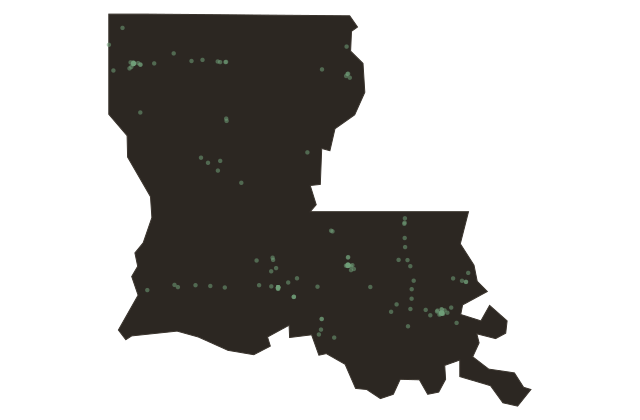
The land beneath this city belonged to people who called themselves the Ishak, which simply means "the people" in their own tongue. The Atakapa-Ishak occupied the Gulf Coast from Vermilion Bay to Galveston Bay, moving between coastal settlements in summer and inland villages when cold came. They fished the bayous, hunted deer and bear and bison in the interior prairies, and built their leaders' homes on earthwork mounds above the flood line.
Their language stood apart from every neighboring tongue, a linguistic isolate, related to nothing else on the continent, as singular as the land itself. French explorers first documented them in the early seventeen hundreds, though Spanish survivors of the Narváez expedition may have passed through their territory as far back as fifteen twenty-eight.
The name the Choctaw used for them, Atakapa, translates roughly as "eater of human flesh," a reference to a ritual practice that French missionaries urged them to abandon. Whether the Choctaw coined it in accuracy or contempt, the Ishak's own name for themselves tells a different story entirely. They were, simply, the people.
Disease did what no military campaign could. By eighteen oh five, the American Indian agent John Sibley estimated only about fifty Atakapa men in Louisiana. Most who remained folded quietly into neighboring nations, the Caddo, the Koasati. Their language is now considered extinct, the last fluent speakers gone by the middle of the twentieth century.
The bayou country the Cajuns settled, the oil derricks that came later, the city that grew around the Vermilion River, all of it was built on ground the Ishak knew first.