Annapolis and the Slave Trade: Twenty-Five Thousand People Through One Port
Maryland
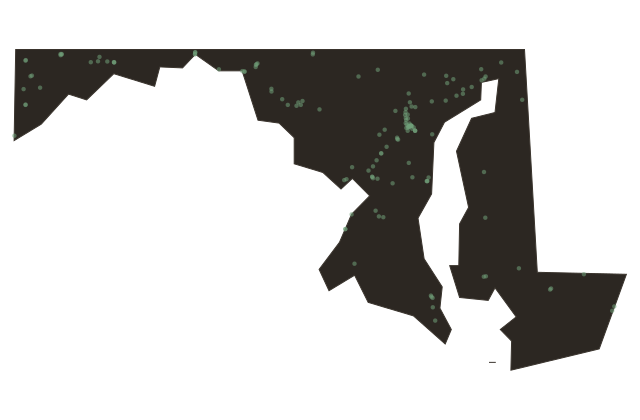
The Annapolis waterfront in the eighteenth century was one of the primary points of arrival for enslaved Africans entering the Chesapeake colonies. Historians, working from ship manifests and port records, estimate that more than twenty-five thousand enslaved people were brought through this harbor across the colonial period. This estimate, derived from available trade documentation, should be understood as a floor rather than a ceiling; record-keeping was incomplete and some transactions went unrecorded. What the records confirm is that the scale was large, the practice was systematic, and the harbor that the founding generation used to receive dispatches from London was the same harbor where those ships arrived.
The most widely known individual story tied to this harbor is Alex Haley's. In his nineteen seventy-six book "Roots," Haley traced his family's oral history to an enslaved man named Kunta Kinte, whom he believed had arrived through the Annapolis port in seventeen sixty-seven. The book became one of the most read works in American publishing history and the television miniseries that followed it reached an audience of over one hundred million viewers. Haley's account is based substantially on family oral tradition rather than verified documentary evidence; historians have raised questions about specific details, but the broader account of a West African man brought to the Chesapeake through Annapolis in the colonial period is consistent with what the trade records document happening regularly.
The Georgian architecture that surrounds this harbor, the elegant brickwork and the statehouse dome and the colonial streetscape that makes Annapolis one of the most photographed colonial cities in the United States, was built by men and women whose names are not on the buildings. The wealth that paid for the bricks came through this water. The city does not hide from this history; the markers are here if you look for them.