The Lenape, Nanticoke, and Piscataway: The Bay's Original Nations
Maryland
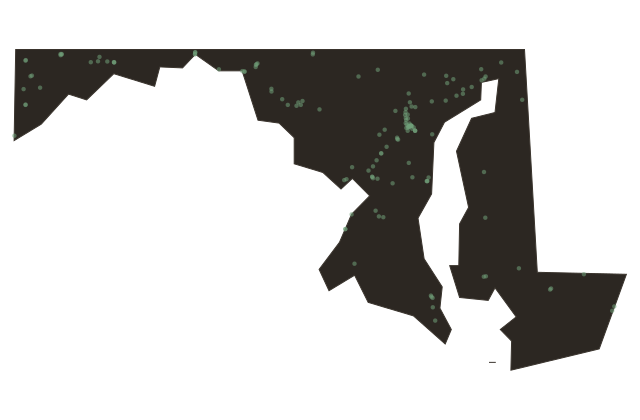
Before the first English ship entered the Chesapeake, the bay and its tributaries were home to multiple Algonquian-speaking nations, each with its own territory, its own political structures, and its own relationship to the water. The Nanticoke lived on the Eastern Shore, the same tidal flatlands where the skipjacks work today. The Piscataway held the Western Shore. The Lenape populated the Delaware Valley corridor and the upper Delmarva Peninsula. The Susquehannock controlled the Susquehanna River watershed at the bay's head.
These were not small populations living at the margins of a wilderness. The Chesapeake watershed supported dense human settlement, maintained by centuries of managed agriculture, tidal fishing, and forest burning that shaped the landscape the European settlers found and described as natural wilderness.
The Maryland colony arrived in sixteen thirty-four. The colony's founders, the Calvert family, pursued a policy of treaty negotiation with the Piscataway that kept a fragile peace through much of the seventeenth century. The Piscataway eventually withdrew northward as colonial pressure increased. The Nanticoke were progressively confined to reservations and then displaced entirely from Maryland by the early eighteenth century. The Susquehannock, caught between colonial expansion and intertribal warfare, were largely destroyed as a political entity by the sixteen eighties.
Today the Piscataway Indian Nation has state recognition from Maryland and has been petitioning the federal government for federal recognition for decades. The Nanticoke Lenni-Lenape Tribal Nation, now based in Bridgeton, New Jersey, holds state recognition from New Jersey but not federal recognition. The Lenape's own name for the land that became Delaware and the surrounding region is Lenapehoking, the land of the Lenape.
The bay has many names. That is the oldest one.