Mall of America and the Invention of Retail as Destination
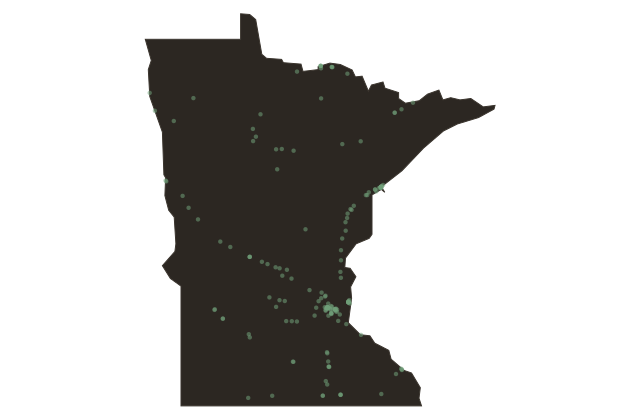
Near Minneapolis St Paul, Minnesota
The Metropolitan Stadium in Bloomington, Minnesota, hosted the Minnesota Twins and the Minnesota Vikings from nineteen sixty-one through nineteen eighty-one. The Twins won a pennant here in nineteen sixty-five. The Vikings played twenty-one seasons on this field before moving indoors to the Hubert H. Humphrey Metrodome in Minneapolis. The stadium was demolished in nineteen eighty-five.
On August eleventh, nineteen ninety-two, the Mall of America opened on the same site. It was the largest shopping and entertainment complex in the United States: three hundred thirty stores, an indoor amusement park with a roller coaster, a wedding chapel, and a fourteen-screen movie theater, all under one roof at the intersection of two interstate highways. The builders bet that shopping could become a destination event, something people would fly in for, something tourists from other countries would put on itineraries. The bet paid off. The mall drew forty million visitors in its first year, more than Disney World, Graceland, and the Grand Canyon combined.
The concept it was selling was not exactly new: the covered arcade, the bazaar, the market town. What was new was the scale, the entertainment integration, and the conviction that a suburb of Minneapolis could be a global draw. It turned out it could.
The original Twins home plate is embedded in the floor of the mall, marked with a plaque. Metropolitan Stadium's last seat, the one farthest from home plate in the upper deck, is still in the mall too, painted red, to show you exactly where Harmon Killebrew hit the longest home run in the stadium's history.