The U.S.-Dakota War of 1862
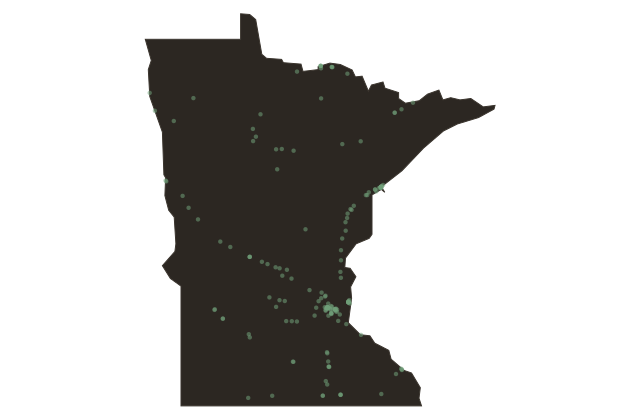
Near Minneapolis St Paul, Minnesota
By the summer of eighteen sixty-two, the Dakota people of the Minnesota River valley were in desperate condition. Two treaties signed at Traverse des Sioux and Mendota in eighteen fifty-one had transferred roughly twenty-four million acres of Dakota land to the United States. In exchange, the Dakota received reservation land along a thin strip of the Minnesota River and annual annuity payments in cash and goods. The annuity payments were chronically late, frequently skimmed by traders and agents before they reached Dakota people, and wholly inadequate for feeding a large community that had been displaced from the land it had always farmed and hunted.
In the summer of eighteen sixty-two, the payments were months overdue. When Dakota leaders went to a government warehouse requesting food, a trader named Andrew Myrick reportedly told them that if they were hungry, they could eat grass or their own dung. The annuity money, it later emerged, was delayed in Washington because Congress was consumed with the Civil War. By August, people were starving.
On August seventeenth, eighteen sixty-two, a small party of young Dakota men killed five white settlers near Acton, Minnesota, after a dispute over eggs. The killings set off a wider conflict. Dakota warriors attacked settlements throughout the Minnesota River valley. Fighting lasted six weeks. Estimates of civilian deaths vary and are disputed by historians; the number most frequently cited in Minnesota Historical Society materials is approximately five hundred settlers killed. Dakota losses are less thoroughly documented in the historical record.
The war ended in late September. President Lincoln authorized military tribunals. Military courts convicted three hundred and three Dakota men of murder and rape, in proceedings that often lasted less than five minutes per case. Lincoln reviewed the trial records personally and reduced the executions to thirty-eight names. On December twenty-sixth, eighteen sixty-two, in Mankato, Minnesota, thirty-eight Dakota men were hanged simultaneously. It was and remains the largest mass execution in United States history.
The note on the record gap: historians dispute exactly how many civilians died in the six weeks of fighting; the numbers range from four hundred to eight hundred in different sources, and the actual toll may never be precisely established.
Following the war, the United States expelled nearly all Dakota people from Minnesota entirely. The reservation was dissolved. Survivors were sent to Dakota Territory and Nebraska. Minnesota did not officially revoke the expulsion order until nineteen seventy-one.