The Twin Metals Fight: Copper, Nickel, and the Boundary Waters Watershed
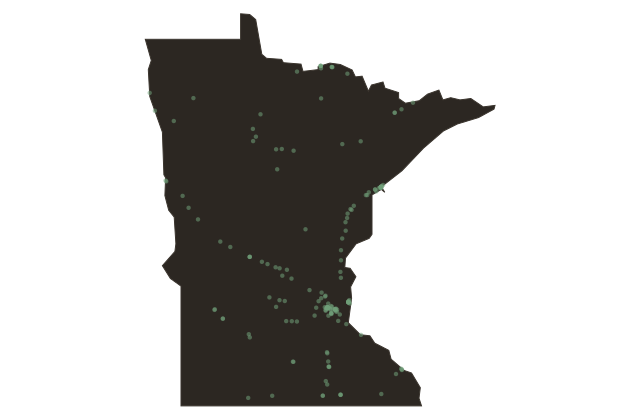
Minnesota
The bedrock underneath the northeast corner of Minnesota, along the border with Canada, is one of the richest known copper and nickel deposits in North America. The ore sits in the rock just outside the southern boundary of the Boundary Waters Canoe Area Wilderness, in the watershed that drains into the Boundary Waters lakes. The question of whether to mine it has been one of the most contested environmental fights in the United States over the past two decades.
Twin Metals Minnesota proposed a copper-nickel sulfide mine near Ely, Minnesota, on federal mineral rights leases that were first issued in the nineteen sixties. In twenty sixteen, the Obama administration's Interior Department declined to renew the leases, citing the risk of acid mine drainage into the Boundary Waters watershed. Sulfide mining produces sulfuric acid when exposed to air and water; a spill or a leak in the Boundary Waters watershed, with its interconnected lake and river system, could contaminate hundreds of miles of pristine water. In twenty eighteen, the Trump administration reissued the leases. In twenty twenty-two, the Biden administration canceled them again.
The Superior National Forest, which covers about three point nine million acres in northeastern Minnesota and surrounds the Boundary Waters Canoe Area Wilderness on its southern and eastern edges, is the federal land over which these decisions are made. The Forest Service manages the mineral rights, the watershed, and the recreational access to the Boundary Waters simultaneously. The Boundary Waters Canoe Area Wilderness, at one point one million acres, is the most visited wilderness area in the United States.
The fight is not over. The ore is still there. So is the water.