DeSoto National Forest and the March That Named It
Mississippi
In the late spring of fifteen forty, a Spanish conquistador named Hernando de Soto led an expedition of approximately six hundred men through what is now southern Mississippi. De Soto had been with Francisco Pizarro during the conquest of the Inca empire a decade earlier and had returned to Spain wealthy enough to finance his own expedition. His goal was to find and conquer a civilization as large and rich as the Inca. He never found one.
What he did find was the Mississippi River, which his expedition was the first European force to document after crossing it in fifteen forty-one, somewhere in present-day Mississippi or Arkansas, a location that historians have never precisely determined. He died on the river's banks in May of fifteen forty-two, of fever, without finding the wealth he had been searching for. His men sank his body in the river to prevent the Indigenous nations in the area, who had been told the Spanish leader was immortal, from discovering he had died like an ordinary man.
De Soto's four-year march through the southeastern United States was catastrophic for the people he passed through. His forces destroyed towns, enslaved people to use as porters and guides, and introduced diseases that spread ahead of his column through trading networks faster than he could travel. Scholars who have studied the population decline of southeastern Indigenous nations in the sixteenth and seventeenth centuries have traced much of it to the disease transmission that de Soto's expedition initiated.
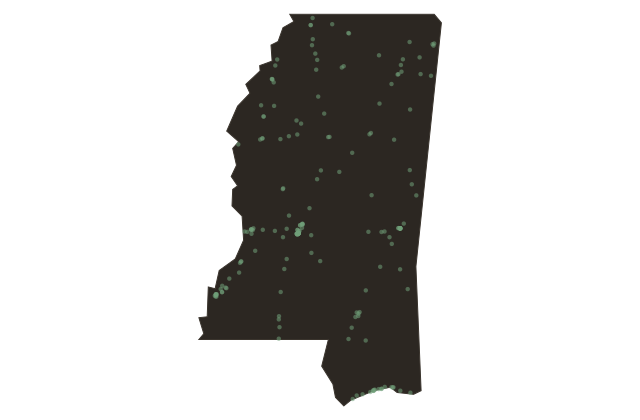
DeSoto National Forest, roughly five hundred nineteen thousand acres of longleaf and loblolly pine in the Mississippi coastal plain, takes his name. The forest itself is one of the primary longleaf pine restoration areas in the Southeast. The Choctaw homeland that de Soto's men passed through is documented in the Spanish records; the Choctaw's own account of the encounter is not.