Las Vegas Motor Speedway
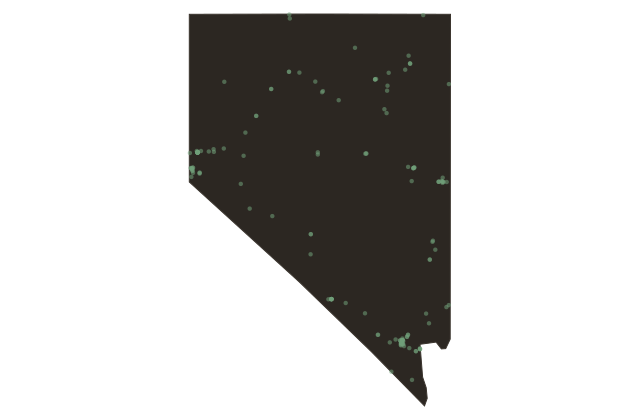
Nevada
Out here in the North Las Vegas desert, about fifteen miles from the Strip, sits one of the youngest major racing venues in North America, and one of the most improbable.
The story of organized racing in Las Vegas goes back to nineteen sixty-five, when the Stardust Casino backed a road course called Stardust International Raceway on the western edge of the valley. Sports car and drag racing drew crowds, but the track closed in nineteen seventy-one when the land was reclaimed. What replaced it in nineteen seventy-one was a modest facility called the Las Vegas Speedrome. A small oval and drag strip on city-owned land north of Craig Road, it hosted local short-track races through the seventies and eighties and was nobody's idea of a destination.
That changed in nineteen ninety-six, when hotel magnate Ralph Engelstad and Sahara Hotel owner William Bennett put seventy-two million dollars into an entirely new superspeedway on the old Speedrome footprint. The new venue opened with IndyCar and NASCAR Truck Series races that fall. Two years later, on March first, nineteen ninety-eight, NASCAR's Winston Cup Series arrived for the first time. Mark Martin won that inaugural race, and Las Vegas was officially on the Cup circuit.
The track is a one-and-a-half-mile tri-oval, banked at twenty degrees in the turns, similar to Charlotte and Michigan, which makes it a high-speed aerodynamic track where passing tends to happen in long sequences rather than sudden lunges. In two thousand twenty-four, NASCAR's fall Cup race moved to an evening slot, adding the neon glow of the valley to the backdrop.
Speedway Motorsports acquired the track in December of nineteen ninety-eight, and today the complex includes a drag strip, a short oval called the Bullring, a road course, and a karting facility. It is the largest motorsports complex in the American West, all of it carved from scrub desert that sixty years ago hosted nothing but jackrabbits and the distant wink of casino lights.