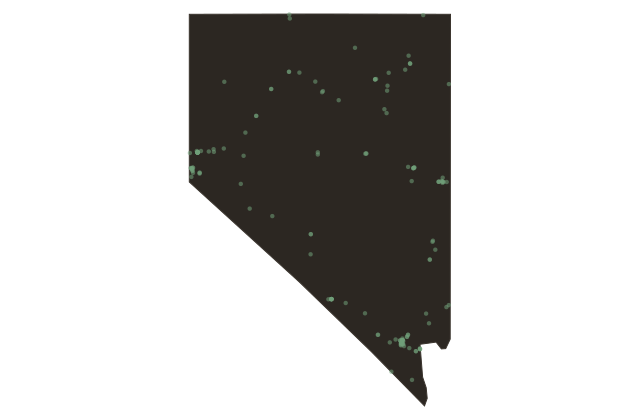
October 1, 2017: The Route 91 Harvest Shooting
Nevada
The Route Ninety-One Harvest country music festival occupied an open lot on the Las Vegas Strip, across the street from the Mandalay Bay Resort. On the night of October first, two thousand seventeen, approximately twenty-two thousand people were in that lot. It was the final evening of a three-day festival.
At ten oh five in the evening, a gunman on the thirty-second floor of the Mandalay Bay Resort opened fire on the crowd below. He had been staying in the hotel for several days. He had brought more than twenty firearms and thousands of rounds of ammunition. In the eleven minutes before he stopped firing, he killed sixty people and wounded more than four hundred. It was the deadliest mass shooting by a lone gunman in United States history.
The investigation that followed was the most extensive in the history of the Las Vegas Metropolitan Police Department. Investigators determined that the gunman had methodically planned the attack over an extended period and had considered other locations. They did not establish a motive. That gap, the failure of the investigation to explain why, is part of the documented record. No answer was found. None has been publicly established since.
Nevada passed a red flag law in the years following the shooting, legislation allowing courts to temporarily remove firearms from individuals deemed a danger to themselves or others. MGM Resorts, which owned Mandalay Bay, reached settlements with survivors.
The lot where the festival was held became a community memorial space. Crosses, photographs, and handwritten notes appeared on the fence that bordered it. The space remained contested in the years that followed, as the community that had survived debated what a permanent memorial should look like and who should decide.
This section of the Strip is the same street it was on the night of October first. The building is still there. The lot across from it has changed. Las Vegas does not have a formal way of directing visitors to what happened here, which means that most people who drive past it do not know what they are passing.