The Killing of Prometheus
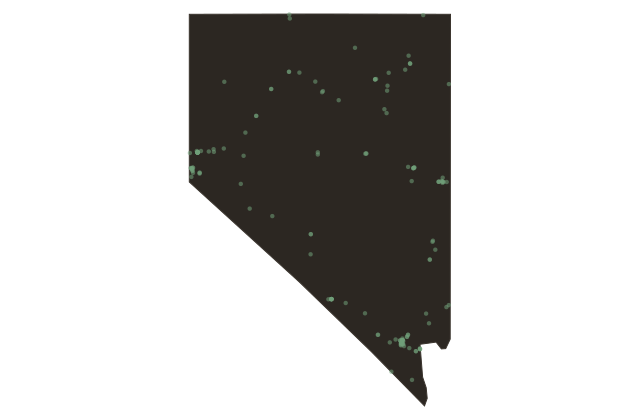
Near Great Basin Np, Nevada
In the summer of nineteen sixty-four, a graduate student named Donald Currey was working on a dissertation about Little Ice Age climate dynamics in eastern Nevada. His tool was a Swedish increment borer, a hollow drill that extracts a thin core from a living tree without killing it, leaving the rings visible for counting. Trees record cold years as narrow rings and warm years as wide ones. If you could sample enough trees across enough centuries, you could reconstruct a climate archive that no instrument had measured.
Currey had been working a grove of Great Basin bristlecone pines on the slopes of Wheeler Peak, at around ten thousand feet in what was then national forest land. The trees were old. He knew that. But one specimen, labeled in his field notes as WPN-one fourteen, meaning the one hundred fourteenth sample in his White Pine County series, kept defeating him. He broke two borers trying to extract a clean core. The wood was dense and resinous in a way that resisted the tool.
He requested permission from the United States Forest Service to fell the tree for study. The permission was granted. The tree came down in August.
When the cross-section was hauled out and the rings were counted, the number was four thousand eight hundred sixty-two. The count was later reviewed and considered conservative. The tree had been alive since approximately two thousand nine hundred years before the common era. It had germinated several centuries before the Great Pyramid was ever built. It had been standing, on that slope, through the entire span of recorded human civilization, through every empire and every plague and every war, all the way to the afternoon when a stuck borer became an occasion to cut it down.
There was no malice in what Currey did. He was a young scientist working within the methods of his field. Currey himself reportedly said little about the incident publicly for the rest of his career, and the few accounts of his reaction suggest remorse rather than indifference. The tree's species, Pinus longaeva, the Great Basin bristlecone pine, was already known to scientists as ancient. But the record Prometheus held was not established until after the cutting.
The grove on Wheeler Peak is still there. The bristlecones growing at this elevation today are several thousand years old. The location of the stump is approximate; no official marker was ever placed. What the cutting left behind, besides grief in the conservation community, was a policy change. The Forest Service and the National Park Service became significantly more cautious about sampling ancient trees. The location of Methuselah, the next-oldest known bristlecone, in California's White Mountains, has been kept secret by federal land managers ever since, a direct institutional response to what happened here.