The Land Run of April 22, 1889
Oklahoma
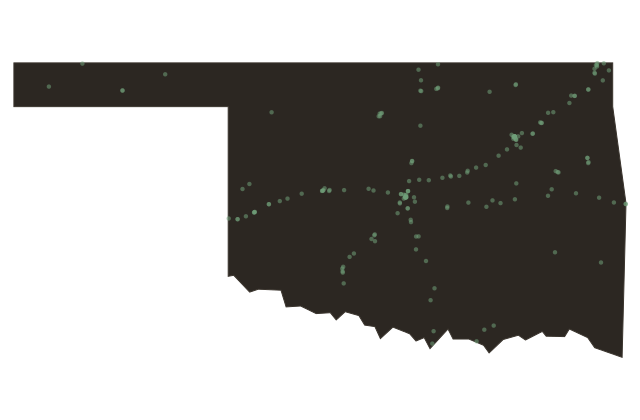
At high noon on April twenty-second, eighteen eighty-nine, a pistol shot and a cavalry bugle signaled the opening of the Unassigned Lands, two million acres in central Oklahoma that the federal government had decided to open to homestead settlement. Approximately fifty thousand settlers had lined up at the borders since dawn.
They ran. They rode horses and drove wagons and came on foot. Within hours, Guthrie had a tent city of ten thousand people. Oklahoma City passed twelve thousand within a day. Entire towns materialized in an afternoon.
The Unassigned Lands had a history before that noon. The Creek and Seminole nations had held this territory under treaty with the United States. After the Civil War, the federal government used the nations' forced alliance with the Confederacy, an alliance that the federal government itself had largely created by abandoning them in eighteen sixty-one, as legal justification to renegotiate those treaties and strip the central portion of Indian Territory from both nations. The land that was raced for on April twenty-second had been taken twice before that race began.
The people who cheated, sneaking into the territory before the starting signal to stake the best claims, were called Sooners. They gave the state its nickname, carried into the present in the University of Oklahoma's teams and the state's license plates, a curious choice of honorific for people who jumped the line.
The Land Run is remembered as one of the great American spectacles of westward expansion. The site of the Land Run Monument a few blocks from here marks where settlers crossed. The ground they crossed onto had been under federal treaty protection for the fifty years preceding that Tuesday noon.