Battle of Honey Hill: The USCT's Determined Stand
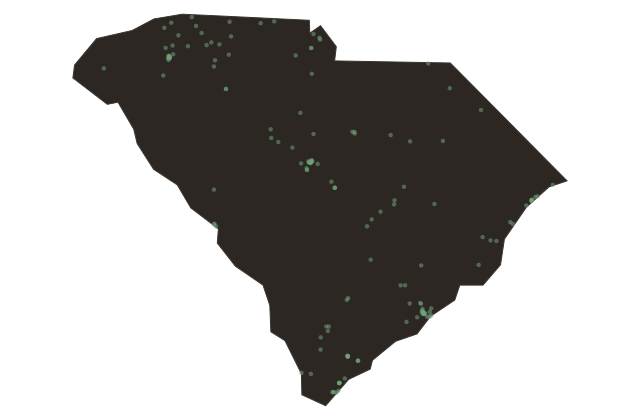
Near Beaufort, South Carolina
By late November of eighteen sixty-four, Sherman's army was within striking distance of Savannah, and the Union command saw one more chance to cut the Charleston and Savannah Railroad before the campaign ended. A Union force under Major General John Hatch left Hilton Head on November twenty-eighth, steaming up the Broad River with orders to march inland and destroy the tracks near Grahamville.
What they encountered on November thirtieth, at a crossroads known as Honey Hill, was a Confederate force under Colonel Charles Colcock holding a carefully chosen defensive position. The terrain was brutal for an attacker: a narrow road flanked by swampy ground funneled the Union column directly into Confederate artillery and rifle fire, with almost no room to maneuver.
The men who made the attacks that day were, to a significant degree, United States Colored Troops. The Fifty-fourth Massachusetts, the regiment made famous at Fort Wagner the previous year, was there. The Fifty-fifth Massachusetts charged as well. The Thirty-second and Thirty-fifth United States Colored Troops pushed through swampy ground on the Confederate flank. Wave after wave was sent forward through the afternoon, each repulsed by canister shot and concentrated rifle fire.
By nightfall, Hatch acknowledged that the position could not be taken and withdrew to his transports. Union casualties totaled seven hundred forty-six men, killed and wounded. Confederate losses were fewer than one hundred.
Historians mark Honey Hill as one of the first large-scale engagements in which a majority African-American force conducted sustained combat operations. The men of the Fifty-fourth and Fifty-fifth Massachusetts charged those Confederate earthworks knowing they might be taken prisoner and re-enslaved rather than treated as prisoners of war. They charged anyway.