Chicora, and the First People of This Coast
Near Myrtle Beach, South Carolina
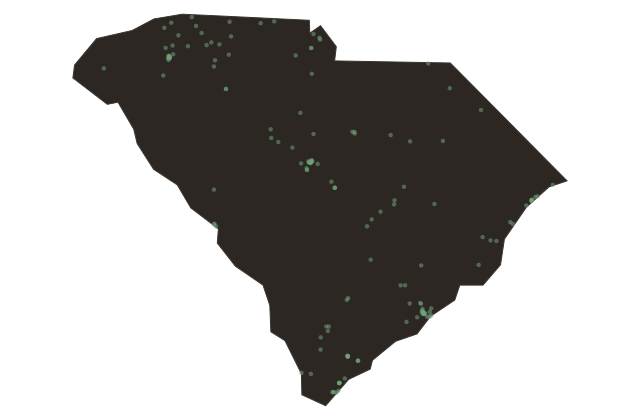
Long before there was a boardwalk or a single golf course, this coast belonged to Native peoples of the Eastern Siouan family, among them the Waccamaw, the Winyah, the Pee Dee, the Santee, and a group the Spanish recorded as the Chicora. They lived in villages along the Waccamaw and Pee Dee rivers, fishing, hunting, and farming this low country of marsh and pine. And this coast holds a startling first.
In the summer of fifteen twenty six, a Spanish expedition led by Lucas Vazquez de Ayllon landed at nearby Winyah Bay, hundreds of colonists hoping to plant a settlement. Finding the land poor, they moved about two hundred miles south, probably to the Georgia coast, and named their settlement San Miguel de Gualdape. It was among the first European attempts to colonize what is now the continental United States, decades before Saint Augustine, decades before Jamestown.
It also carried the first documented enslaved Africans on this soil, and when they rebelled that settlement saw what historians regard as the first slave revolt in mainland North America, though farther south along the coast. The colony collapsed within months, undone by disease, hunger, and conflict, and the survivors fled. The Native guide the Spanish had kidnapped and brought back as an interpreter, a man they called Francisco de Chicora, slipped away into these woods and went home.
His people were here first, and long after the Spanish were gone, they remained.