Siege of Charleston
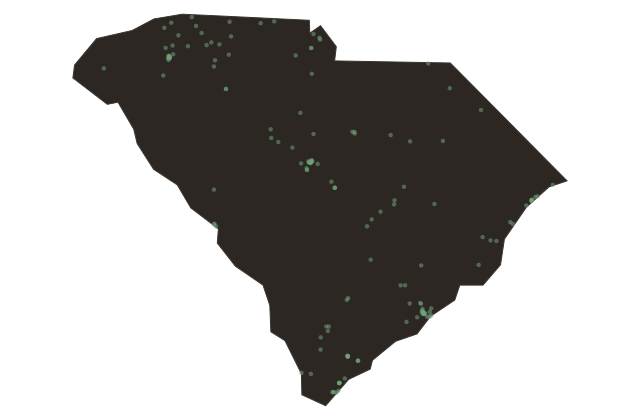
South Carolina
In the spring of seventeen eighty, the British executed the largest and most successful military operation of the entire Revolutionary War on American soil. They came by sea and by land, they surrounded the city of Charleston, and after six weeks of siege, they forced the largest American surrender of the conflict.
British General Sir Henry Clinton arrived off the South Carolina coast in February with a fleet of ninety ships and nearly fourteen thousand soldiers. It was a massive southern offensive, designed to capture the most important port in the South, rally Loyalist sentiment across the Carolinas, and effectively remove the southern colonies from the war. American General Benjamin Lincoln commanded the Charleston garrison and the Continental forces in the region.
By late March, the British had completed a naval blockade of the harbor and were moving artillery into position on the Charleston Neck, the narrow strip of land connecting the peninsula to the mainland. Lincoln found himself in a trap with no viable escape route. The city's civilian population, already strained, began to pressure him to negotiate rather than let Charleston be destroyed.
For six weeks the British bombarded the city, including firing heated shot, iron cannonballs heated red-hot to start fires where they landed. The civilian suffering was significant. By May, with no relief force in sight and no possibility of breaking out, Lincoln surrendered on May twelfth, seventeen eighty.
The terms were harsh. More than five thousand American soldiers were taken prisoner, the largest single surrender of American forces in the entire Revolutionary War, though an even larger American surrender would come later, at Harpers Ferry during the Civil War in eighteen sixty-two. The British captured more than three hundred cannons, six thousand muskets, and vast stores of gunpowder.
British forces occupied Charleston for two and a half years. But the very severity of the occupation, and the brutality of the Loyalist-Patriot civil war it unleashed in the backcountry, began driving South Carolinians toward resistance rather than submission. The battles at Musgrove Mill, Kings Mountain, and Cowpens that followed were, in part, the backcountry's answer to what happened in Charleston that spring.