The Gullah Geechee, A Culture That Survived
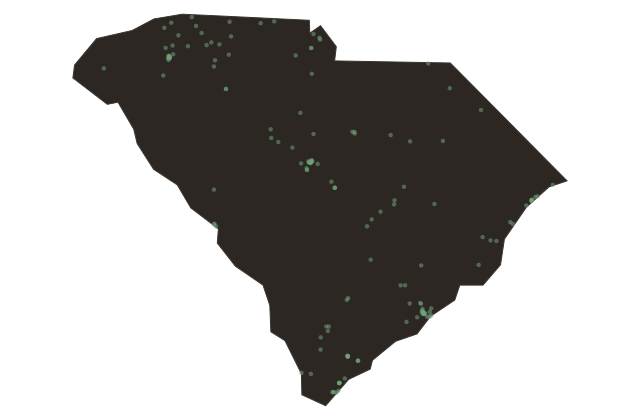
South Carolina
On the sea islands of South Carolina and Georgia, Daufuskie, Saint Helena, Edisto, Hilton Head, something extraordinary happened. The isolation of the islands, reachable only by boat, combined with the high mortality rate of white planters and overseers in the coastal malaria zone, meant that enslaved African communities on the sea islands were left to themselves for long stretches. In that relative isolation, they preserved elements of West African and Central African culture that vanished almost everywhere else in the American South.
The Gullah Geechee people built a language, sometimes called Gullah, sometimes Geechee depending on location, that is a creole rooted in English but holding grammar structures, words, and cadences from Wolof, Mende, Hausa, and other West African languages. They preserved basket-weaving traditions that trace directly to Sierra Leone, using sweetgrass techniques unchanged across three centuries of American history. They maintained ring shout ceremonies, oral storytelling forms, food traditions, and spiritual practices that connect in documented ways to African origin communities.
After emancipation and into the twentieth century, these communities faced enormous pressure. Land that families had farmed for generations was sold for resort development. The interstate highway system and bridge construction broke the island isolation that had preserved the culture.
A significant portion of the sea island Gullah population left for cities like New York, Philadelphia, and Detroit during the Great Migration. What remains is recognized today as one of the most intact African-descended cultural traditions in North America. The Gullah Geechee Cultural Heritage Corridor, established by Congress in two thousand six, runs four hundred twenty-five miles along the coast from Pender County, North Carolina to Saint Johns County, Florida.
The sweetgrass baskets sold on the streets of Charleston, the ring shout performed in praise houses on Saint Helena Island, the Gullah New Testament translated in two thousand five, these are living artifacts of a culture that refused to disappear.