The Stono Rebellion, September, Seventeen Thirty-Nine
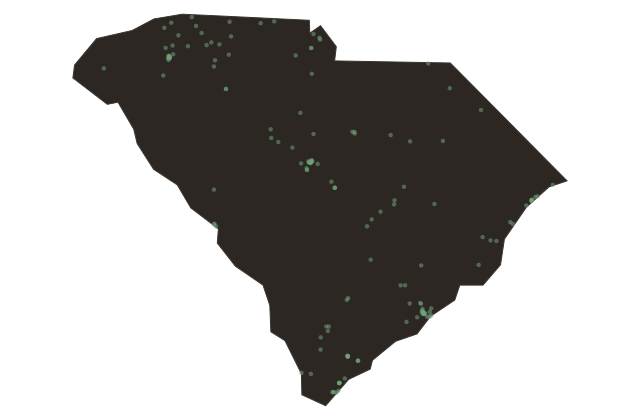
South Carolina
On the morning of September ninth, seventeen thirty-nine, a man named Jemmy led roughly twenty enslaved men to a store near the Stono River, about twenty miles southwest of Charles Town. Jemmy was Angolan, likely Kongolese, likely Catholic, a detail that mattered, because Spain had promised freedom to enslaved people who reached Florida and converted. The men broke into the store, armed themselves, and began marching south, toward Saint Augustine and the Spanish promise of liberty.
They beat drums. They shouted the word Liberty. As they marched, more people joined them, somewhere between forty and sixty enslaved men and women in all.
South Carolina's colonial government had known that something like this was possible. The colony's ratio of enslaved to free was the most extreme in North America, and its lawmakers had tried to manage the danger with the Negro Act of seventeen forty, which was passed in direct response to Stono. But on that September morning, the law was not yet written.
Lieutenant Governor William Bull encountered the column on horseback and rode hard to raise the alarm. By late afternoon, white planters on horseback had caught the marchers at the Edisto River. More than twenty white colonists had been killed during the march.
Most of the rebels were killed in the fighting or captured and executed in the days that followed. Some escaped into the swamps and were not found for years. The Stono Rebellion was the largest armed uprising by enslaved people in colonial North America.
It did not end slavery. It hardened it. The Negro Act of seventeen forty that followed imposed the most severe restrictions on Black life of any colonial statute on the continent, restrictions on movement, on assembly, on literacy.
The drums that sounded on the Stono road in September seventeen thirty-nine echoed for more than a century.