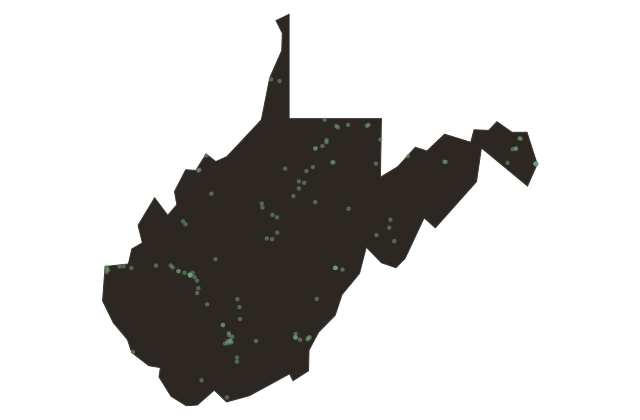
Monongah: The Worst Mining Disaster in American History
West Virginia
On the morning of December sixth, nineteen oh seven, an underground explosion tore through the Fairmont Coal Company mines in Monongah, West Virginia. The blast shook houses off their foundations, broke windows miles away, and sent a wall of black smoke billowing up the valley. A second, larger explosion followed seconds later.
The cause was never fully determined, but investigators believed a spark ignited methane gas, which in turn set off the highly flammable coal dust that coated every surface underground. Most of the men who survived the initial blast died minutes later from poisonous afterdamp gas. Official tallies put the death toll at three hundred sixty-one or three hundred sixty-two.
Historians believe the true number was higher, because many workers had brought family members underground that day to help. The dead were overwhelmingly recent immigrants from Italy, Hungary, and Russia. The Monongah disaster remains the deadliest coal mining accident in American history, and it became one of the catalysts for creating the United States Bureau of Mines three years later.