Prickett's Fort: Forting Up on the Monongahela
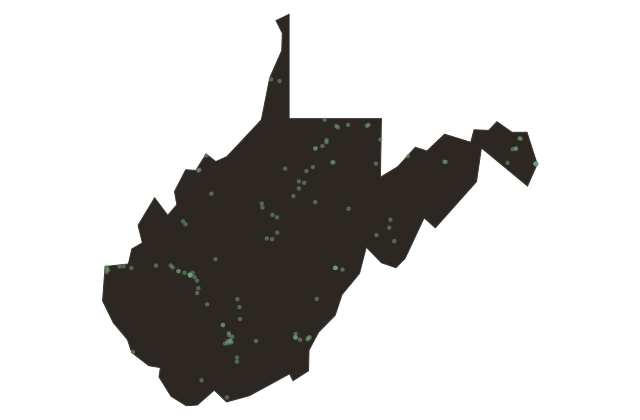
West Virginia
Five miles north of present-day Fairmont, where Prickett's Creek empties into the Monongahela River, Captain Jacob Prickett built a log stockade in seventeen seventy-four. It was a hundred feet square, with twelve-foot walls and blockhouses at each corner, and sixteen small cabins lining the interior. It was not meant to be comfortable. It was meant to keep people alive.
The fort was built in the shadow of two catastrophes unfolding simultaneously. The Treaty of Fort Stanwix in seventeen sixty-eight had pushed the boundary of European settlement west into the Ohio Valley, opening land that Native peoples, Shawnee, Mingo, and others, had not ceded by choice and did not intend to surrender. That same spring of seventeen seventy-four, a group of settlers led by Daniel Greathouse killed a band of peaceful Mingo at Yellow Creek, including the family of the Mingo leader Logan, triggering what became known as Lord Dunmore's War. Frontier farms on the Monongahela were suddenly very dangerous places to be.
The practice frontier families developed was called forting up. When word of a raid reached the valley, families loaded their children and livestock and hurried to the nearest stockade. At Prickett's Fort, as many as eighty families, several hundred people, would crowd inside and stay for days or even weeks. The fort was never directly attacked, but the danger that surrounded it was real. In September of seventeen seventy-four, just after the fort was completed, a seventeen-year-old named Isaiah Prickett, the captain's son, went out from the walls to bring in the cows. He was captured and scalped. A neighboring woman who went with him was never seen again.
Prickett's Fort served as a refuge through the Revolution and was finally dismantled in seventeen ninety-nine when the threat of raids had passed. The reconstruction you can visit today was built in the mid nineteen seventies by the Prickett's Fort Memorial Foundation and operates as a living history site, the only place in West Virginia with public demonstrations of eighteenth century firearm manufacturing.