Boudin and Cracklin: The Communion of the Boucherie
Near Lafayette, Louisiana
On a cold morning in rural Acadiana, sometime in the late eighteenth or early nineteenth century, a community gathered at a farm for what the Cajuns called the boucherie, the hog butchering. Every part of the animal would be used. The liver, the offal, the scraps of meat trimmed from the bones. Combined with cooked rice, onions, and a mixture of cayenne and black pepper, packed into sausage casings, the result was boudin.
Cajun boudin blanc, to use its full name, is not blood sausage, which is the French tradition. It is rice sausage. The rice stretches the meat, absorbs the seasoning, and creates something with a particular soft, steaming texture that is meant to be eaten fresh, often squeezed directly from the casing at the counter of a gas station or meat market, standing up, no utensils required.
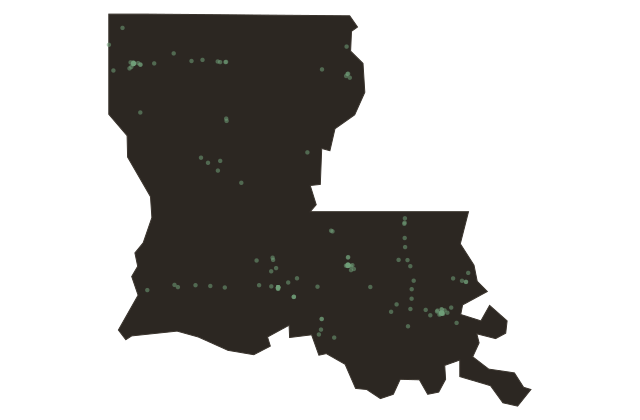
Scott, Louisiana, a small city just west of Lafayette along Interstate Ten, holds the title of Boudin Capital of the World, a designation the Louisiana Legislature gave it in twenty twelve though Jennings and Broussard have their competing arguments. A trail of boudin shops runs along the interstate through Lafayette Parish, a string of meat markets and grocery stores where the sausage is made fresh most mornings.
Cracklin, the fried pork skin known elsewhere as chicharrón, runs alongside it in the same shops, the same tradition: nothing wasted from the animal, everything cooked until it achieves something extraordinary.
The boucherie was community. The boudin is what that community tasted like.