The Cajun Boudin Trail: Food as Cultural Survival
Near Lafayette, Louisiana
Stop at any gas station in the parishes between Lafayette and Opelousas and you will find it in a warming tray by the register: boudin, a Cajun pork-and-rice sausage in a white casing, sold by the link or the pound, eaten standing at the counter or in the car.
Boudin is not a restaurant food. It never has been. It is a community food, a product of the boucherie tradition in which Acadian families gathered, typically in the fall and winter, to slaughter hogs and use every part of the animal. The liver, the rice cooked in the cooking liquid, the scraps of shoulder meat that don't make it into the roasts or the dried sausages: all of it goes into the boudin. The practice of using the whole animal, of wasting nothing, was a survival adaptation from people who had lost everything in seventeen fifty-five and were starting over in a Louisiana bayou with whatever they could carry.
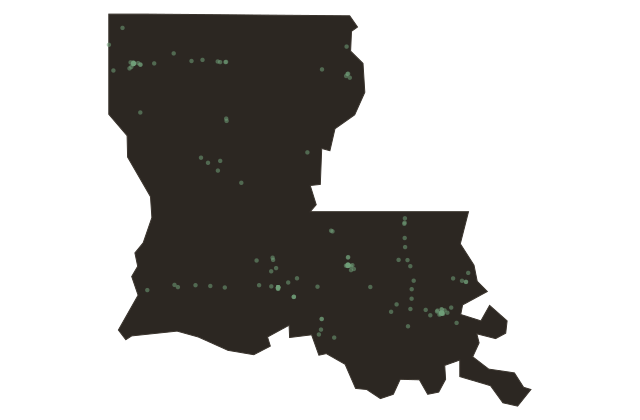
The survival of boudin as a living practice rather than a tourist artifact, sold not in specialty shops but from gas station coolers in Church Point and Eunice and Breaux Bridge, is one of the clearest measures of how thoroughly the Acadian exiles rebuilt their food culture after the expulsion. Most immigrant food traditions in America have been either preserved as performance or diluted into approximations. Boudin in the Acadiana parishes is neither: it is a living product made by local butchers according to local recipes that vary by family and by town and that people argue about with genuine feeling.
The American Folklife Center at the Library of Congress has documented the boucherie tradition and the regional variations in Cajun foodways. CODOFIL, the French-language preservation council, frames the food as part of the same cultural continuity as the language: things the expulsion could not erase.