ANCSA: Forty-Four Million Acres and a Corporate Future
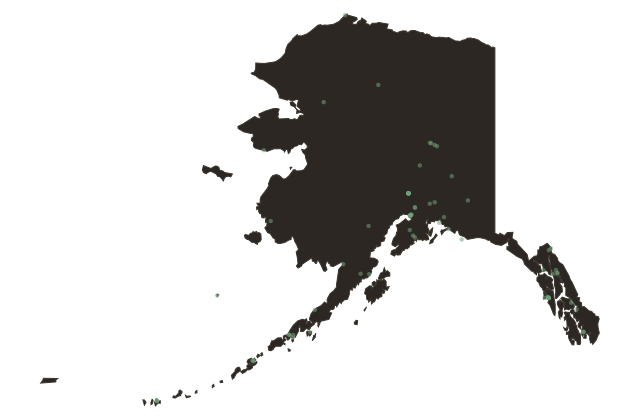
Alaska
On December eighteenth, nineteen seventy-one, President Nixon sat down and signed a bill that did something no piece of American legislation had done before. It extinguished all aboriginal land claims in the state of Alaska and replaced them, not with reservations, not with treaty rights, but with stock certificates.
The Alaska Native Claims Settlement Act enrolled approximately eighty thousand Alaska Natives into a new corporate structure. Twelve regional Native corporations, later thirteen, received forty-four million acres of land and nine hundred sixty-two and a half million dollars in cash. More than two hundred village corporations were created alongside them. It was the largest Indigenous land-claims settlement in United States history, and it was also one of the most unusual: instead of tribal governments holding communal land, Alaska Natives became shareholders in businesses.
The architects of the Settlement Act believed the corporate model would protect Alaska Native economic interests better than the reservation system had protected tribes in the lower forty-eight. Critics, many of them Alaska Native themselves, raised a different concern from the beginning. Corporate shares could eventually be sold. Land held by a corporation is not land held in perpetuity for a people. The mechanisms that protected shares from outside sale in the first generation were not permanent.
Sealaska Corporation represents Tlingit, Haida, and Tsimshian shareholders in Southeast Alaska. Doyon Limited, representing Interior Athabascan peoples, controls twelve and a half million acres, making it one of the largest private landowners in the state. Calista Corporation represents Yupik peoples in Western Alaska. Each corporation was handed land and cash and told to make them profitable.
What was gained in nineteen seventy-one was real: a legal settlement where none had existed, a transfer of land where the alternative was nothing. What was given up was also real: aboriginal title, extinguished permanently, in exchange for equity stakes in companies that the market could eventually dissolve.
The debate over whether that was a good trade has not ended in fifty years.