Iditarod: From Serum Run to Race
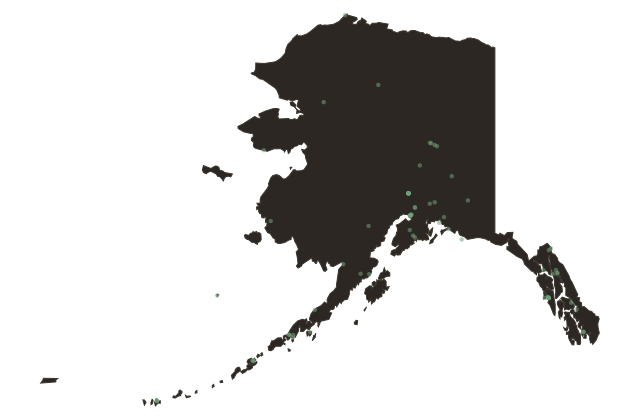
Alaska
In January nineteen twenty-five, a diphtheria epidemic was spreading through Nome. The town's supply of antitoxin serum was inadequate, and the nearest additional supply was in Anchorage. The railroad could carry it as far as Nenana. Beyond Nenana, in the middle of an Alaska winter with the Bering Sea coast locked in ice and no airfield capable of receiving a loaded plane, there was only one practical option.
Twenty mushers and their dog teams relayed the serum six hundred seventy-four miles from Nenana to Nome in five and a half days, running through conditions that included minus eighty-five degree windchills and near-complete whiteout. The dog who ran the final leg into Nome, a Siberian husky named Balto, became briefly the most famous dog in America. There is a statue of him in Central Park.
Joe Redington Senior founded the Iditarod Trail Sled Dog Race in nineteen seventy-three, partly to honor the serum run, partly to preserve the trail itself, and partly because he believed sled-dog culture was disappearing and a race would keep it alive. The Iditarod is promoted as a one thousand forty nine mile race, a symbolic number for the forty ninth state, though the measured distance from Anchorage to Nome varies by route and year, generally falling between nine hundred and one thousand miles. It is run every March. The official description, used in promotional materials before anyone had finished it, is the last great race on earth.
The trail the race follows is older than the serum run. It was an Alaska Native travel corridor long before gold prospectors mapped it and the federal government formalized it as a mail and supply route in the early twentieth century. The race carries that history, though it does not always foreground it.